Storyline Integrations Within Game Designs Influencing Transitions from Sports Event Predictions to Immersive Casino Table Interactions
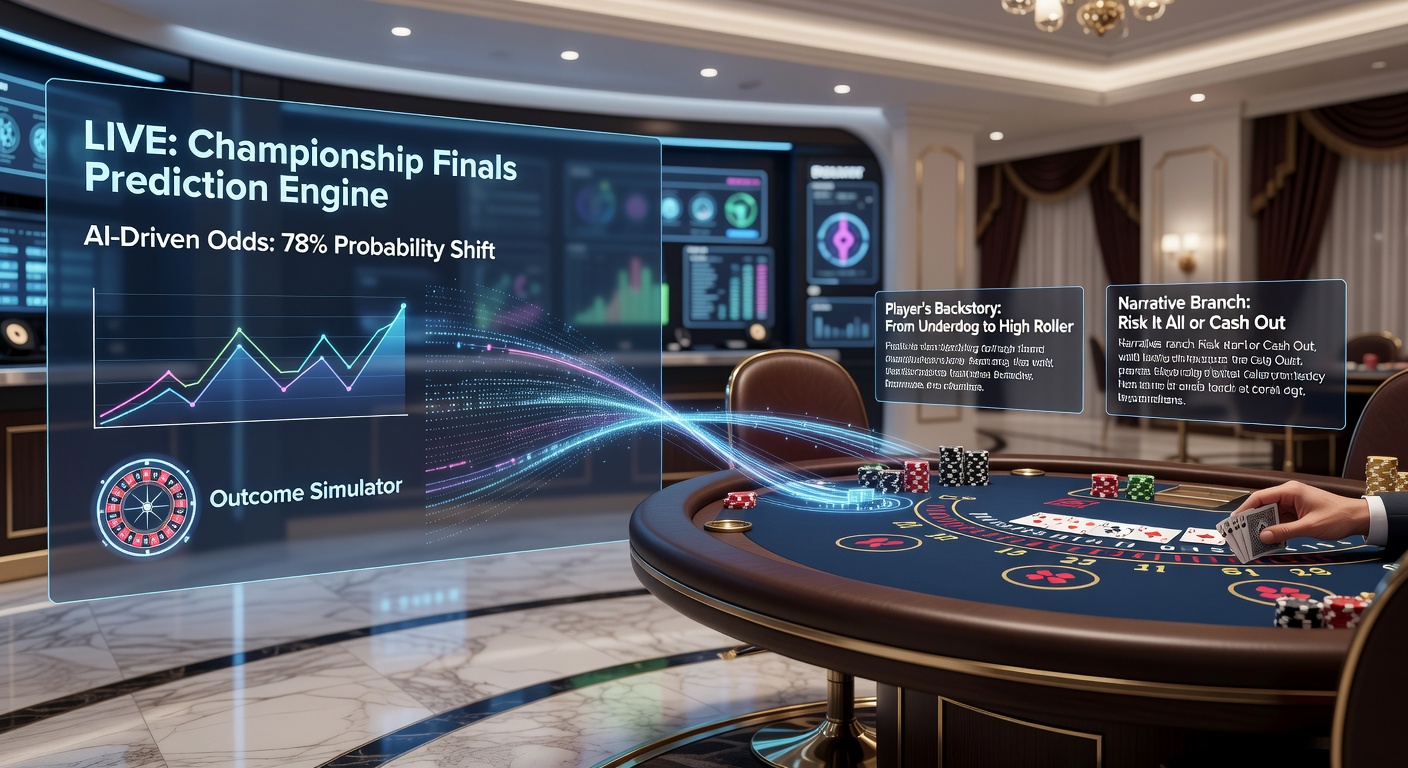
Storyline integrations have emerged as a key element in modern game design where developers embed narrative threads that connect sports event predictions with casino table experiences and this approach creates pathways for users moving between these formats; data from multiple markets shows that platforms incorporating sequential story elements report higher retention across both categories during the first half of 2026.
Narrative Structures Linking Predictions to Tables
Designers build sports prediction interfaces around ongoing character arcs and event outcomes that carry forward into casino table sessions where players encounter familiar storylines such as rival teams evolving into dealer personas or championship scenarios unfolding at blackjack or roulette tables and this continuity relies on shared data profiles that track user choices from one environment to the next while according to reports issued by the Canadian Gaming Association in early 2026 such systems appear in platforms operating across North American jurisdictions.
Transitions occur through modular story modules where a successful sports prediction unlocks a chapter in a larger tale that then plays out during live dealer interactions and observers note that these modules use branching narratives driven by real-time results from both sports and table outcomes which keeps engagement consistent without requiring separate onboarding for each game type.
Technical Implementation in Cross-Genre Platforms
Backend systems synchronize user progress across sports and casino sections through unified player accounts that store narrative states alongside betting histories and this setup allows a prediction on a soccer match for instance to influence the appearance of a poker table with themed elements drawn from that event while research compiled by the National Center for Responsible Gaming indicates that platforms using these synchronized states registered measurable increases in session lengths during test periods ending in spring 2026.
Developers apply conditional triggers so that certain table game features only activate after specific sports milestones are reached and this method reduces abrupt shifts between genres by maintaining a continuous plot thread; one documented case involved a racing prediction series that transitioned users into baccarat rounds featuring the same virtual drivers as non-player characters with visual continuity preserved through asset reuse.
Player Pathway Data from 2026 Market Shifts
Figures released in May 2026 by several state-level gaming commissions in the United States revealed that integrated storyline features coincided with upticks in cross-genre activity particularly in regions where sports betting and casino offerings operate under single licenses and analysts tracking these patterns point to narrative completion rewards as a factor that encourages movement from prediction interfaces to immersive table environments.
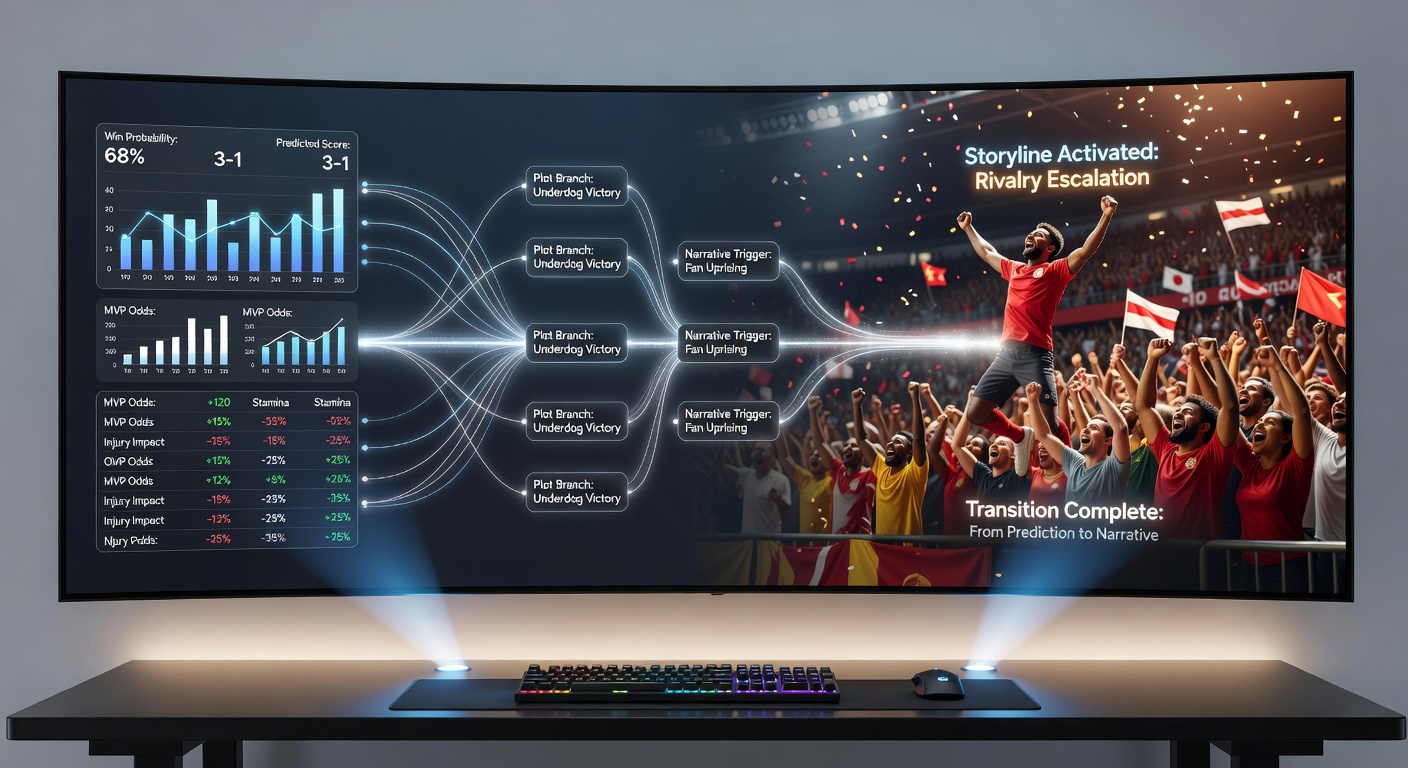
Platforms in Australia have adopted similar frameworks where storyline progress from local sports leagues feeds into table game variants and government monitoring bodies there documented corresponding changes in user navigation logs throughout the same period; these logs demonstrate that players who complete early story segments in sports sections proceed to table interactions at higher rates than those using non-narrative versions of the same applications.
Design Elements Supporting Seamless Movement
Visual and audio cues maintain narrative flow when users switch sections such as persistent soundtracks that evolve based on cumulative outcomes and avatar appearances that update after each prediction or table result and these elements operate through shared rendering engines that pull from a common asset library reducing development overhead while preserving immersion according to technical papers presented at industry conferences in the preceding year.
Branching dialogue trees at casino tables reference prior sports predictions which creates a sense of consequence across sessions and this technique draws on established methods from role-playing game structures adapted for real-money environments where regulatory frameworks in multiple jurisdictions permit such integrations provided they do not alter core odds calculations.
Conclusion
Storyline integrations continue to shape how users navigate between sports predictions and casino table formats through persistent narratives that link outcomes across both areas and available data through mid-2026 shows these designs correlating with extended engagement periods in markets where they have been deployed; ongoing refinements focus on tighter synchronization between prediction results and table features while maintaining compliance with existing oversight structures.