Shifting Dynamics in Digital Poker Communities: How Social Features Influence Decision Making During High Stakes Hands

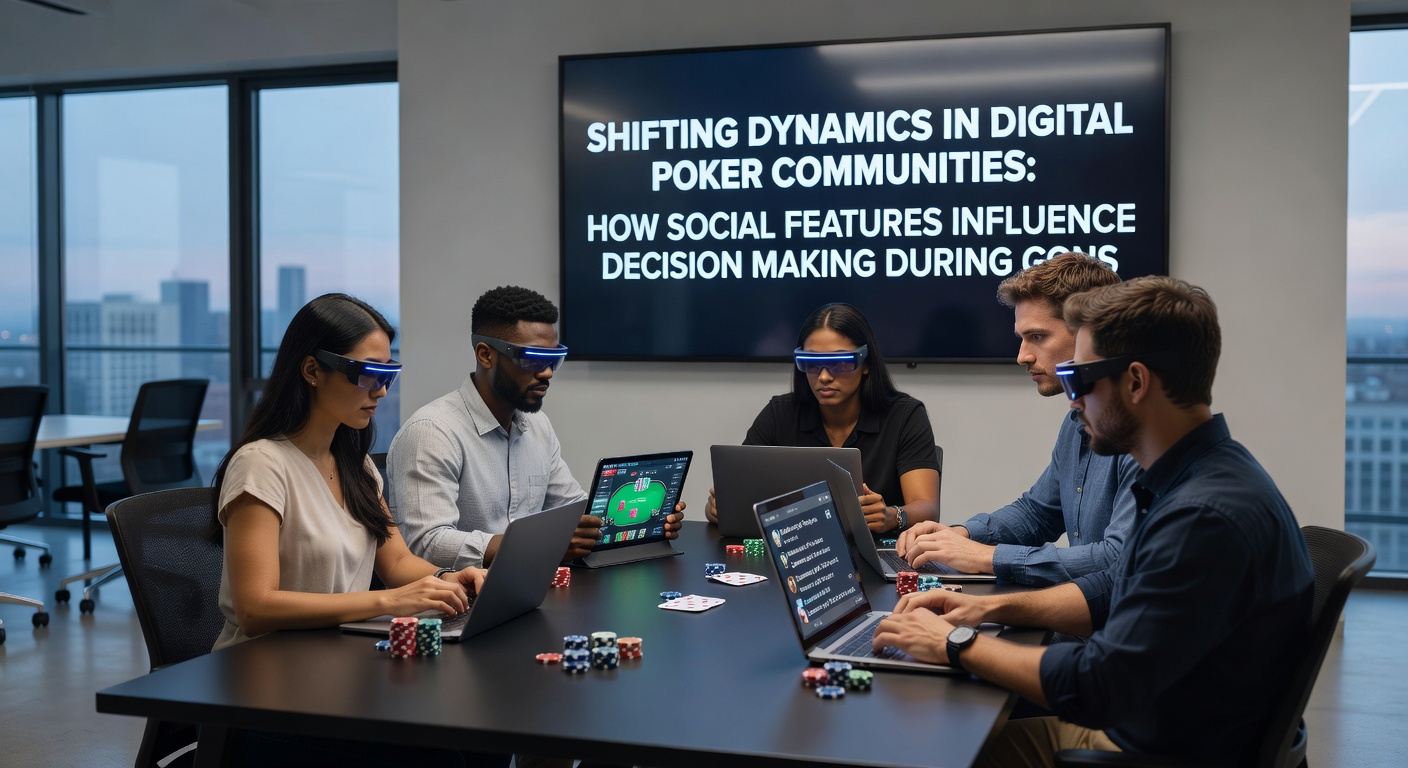
Digital poker has evolved far beyond simple card tables on screens, and communities now integrate social tools that reshape how participants approach high stakes decisions, from real-time chats to integrated live streams and friend networks that connect players across regions. These features create layers of interaction where observers note patterns in betting behavior tied directly to visible community feedback, and data from recent industry reports shows increased session lengths when social elements remain active during tournaments.
Platform Evolution and Integrated Social Tools
Modern poker sites rolled out layered communication options starting around 2023, including emoji reactions, voice overlays, adn cross-platform invites that link accounts on major networks, and these additions coincide with measurable shifts in player retention according to tracking data released by the American Gaming Association. Players often maintain ongoing conversations in dedicated rooms while managing large pot decisions, which researchers at the University of Nevada have linked to altered timing in folds and raises during tracked high limit sessions. Community forums attached to these platforms further amplify discussions about specific hands, creating shared reference points that surface repeatedly in subsequent play.
Live streaming integrations gained traction through partnerships with established broadcast services, allowing viewers to comment in real time on ongoing action without direct participation, and statistics compiled by Canadian provincial regulators indicate a 28 percent rise in concurrent viewers for high stakes events between 2024 and early 2026. This visibility introduces external perspectives into individual decision loops, where participants sometimes reference chat sentiment when weighing calls against opponents with established reputations in the same circles.
Peer Visibility and Risk Calibration
Social overlays display friend lists and recent activity badges during active tables, which alters how individuals calibrate aggression levels once they recognize familiar usernames from prior sessions or community events. Observers note that players tend to extend bluff sequences longer when their network members appear in spectator modes, a pattern documented in anonymized hand histories shared through industry analytics groups. Those who've studied these logs report correlations between visible audience size and deviation from baseline strategy metrics, particularly in no-limit hold'em formats where stack preservation carries heightened weight.
Integrated reaction systems let participants signal approval or surprise without typing full messages, and this streamlined feedback loop accelerates group consensus around certain play styles during marquee hands. Figures released in 2025 by Australian wagering authorities highlight how such tools coincide with elevated variance in bet sizing among connected player clusters compared to isolated sessions. The presence of these cues does not dictate outcomes yet provides contextual anchors that many participants incorporate into split-second evaluations.
Community Narratives and Hand History Sharing
Post-hand recaps circulate quickly through attached Discord servers and subreddit threads, turning isolated decisions into collective talking points that echo across future encounters. Researchers who analyzed thousands of shared replays found that players referenced prior community commentary when facing similar board textures, leading to adjusted continuation rates that deviate from purely mathematical expectations. This feedback cycle strengthens as platforms add one-click export functions that preserve chat logs alongside card sequences for later dissection.
Seasonal leaderboard features tied to social milestones further encourage sustained engagement, with badges awarded for consistent interaction volume alongside win rates. Data compiled across multiple operators shows these gamified elements maintain participation even when individual results fluctuate, particularly among mid-stakes regulars who migrate toward higher buy-ins after gaining recognition in group discussions. Such dynamics remain measurable through session metadata rather than subjective interpretation.
Regulatory Context and Platform Adjustments
Operators continue refining disclosure rules around social features ahead of expanded licensing rounds expected through May 2026, responding to guidance from bodies like the Nevada Gaming Control Board and parallel frameworks in other jurisdictions. These updates focus on transparency for interaction tools without restricting core functionality, allowing communities to retain the connective elements that drive prolonged table presence. Platform updates scheduled for rollout this period emphasize opt-in controls for chat visibility during premium events, reflecting ongoing efforts to balance engagement metrics with operational standards.
Conclusion
Digital poker communities continue integrating social layers that intersect with core mechanics of high stakes play, and available records demonstrate clear associations between these tools and shifts in observed decision patterns. As platforms adapt features to meet emerging standards, the interplay between visible interactions and individual strategy choices offers ongoing material for detailed examination across multiple regulatory environments.