Player Retention Tactics Through Layered Reward Systems in Digital Roulette and Poker Environments
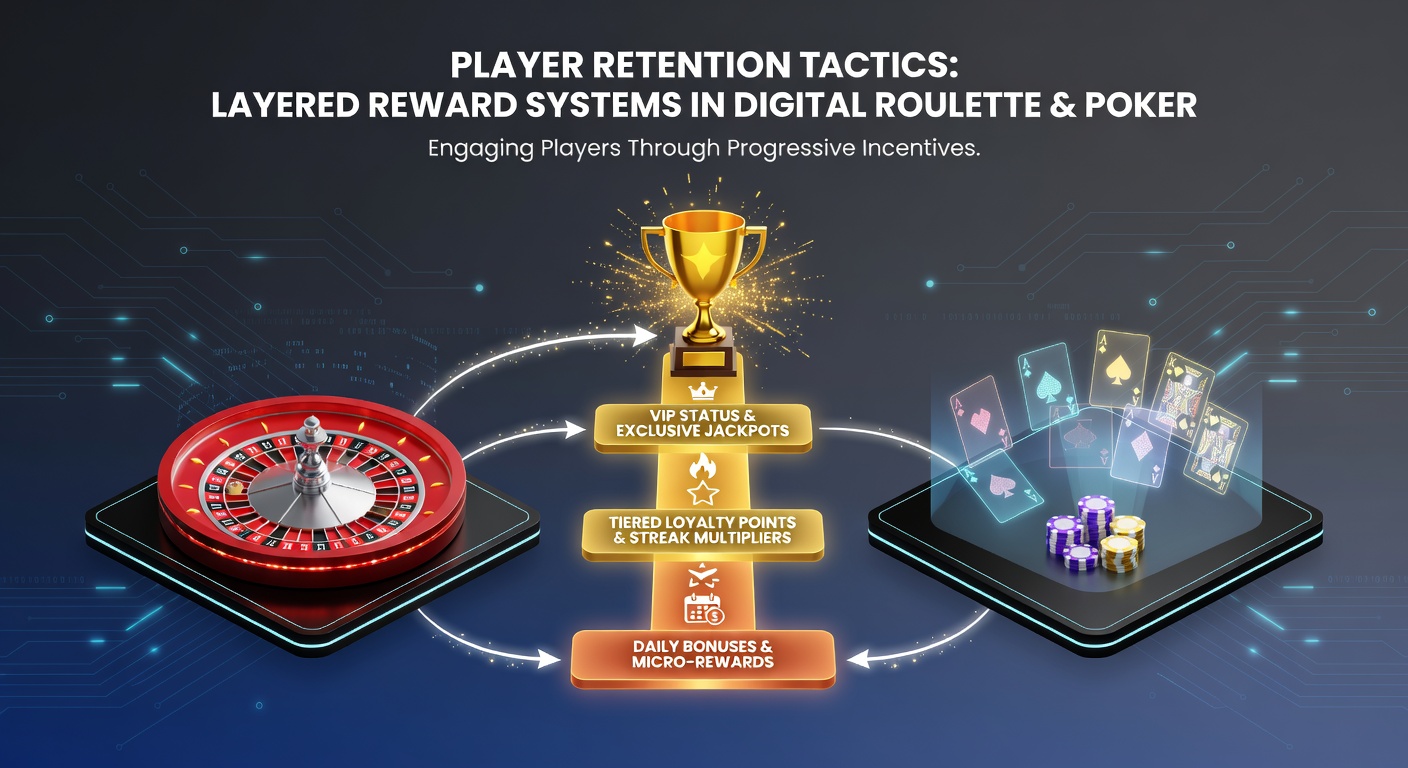
Operators in digital roulette and poker spaces have turned to layered reward systems as a core method for keeping players engaged over extended periods, and these structures often combine immediate incentives with longer-term progression mechanics that encourage repeated visits. Data from multiple platforms shows that players who unlock successive tiers tend to maintain higher session frequencies compared to those on flat reward models, while the integration of roulette-specific spin multipliers and poker hand achievement badges creates distinct pathways that feel tailored to each game type.
Core Components of Layered Systems
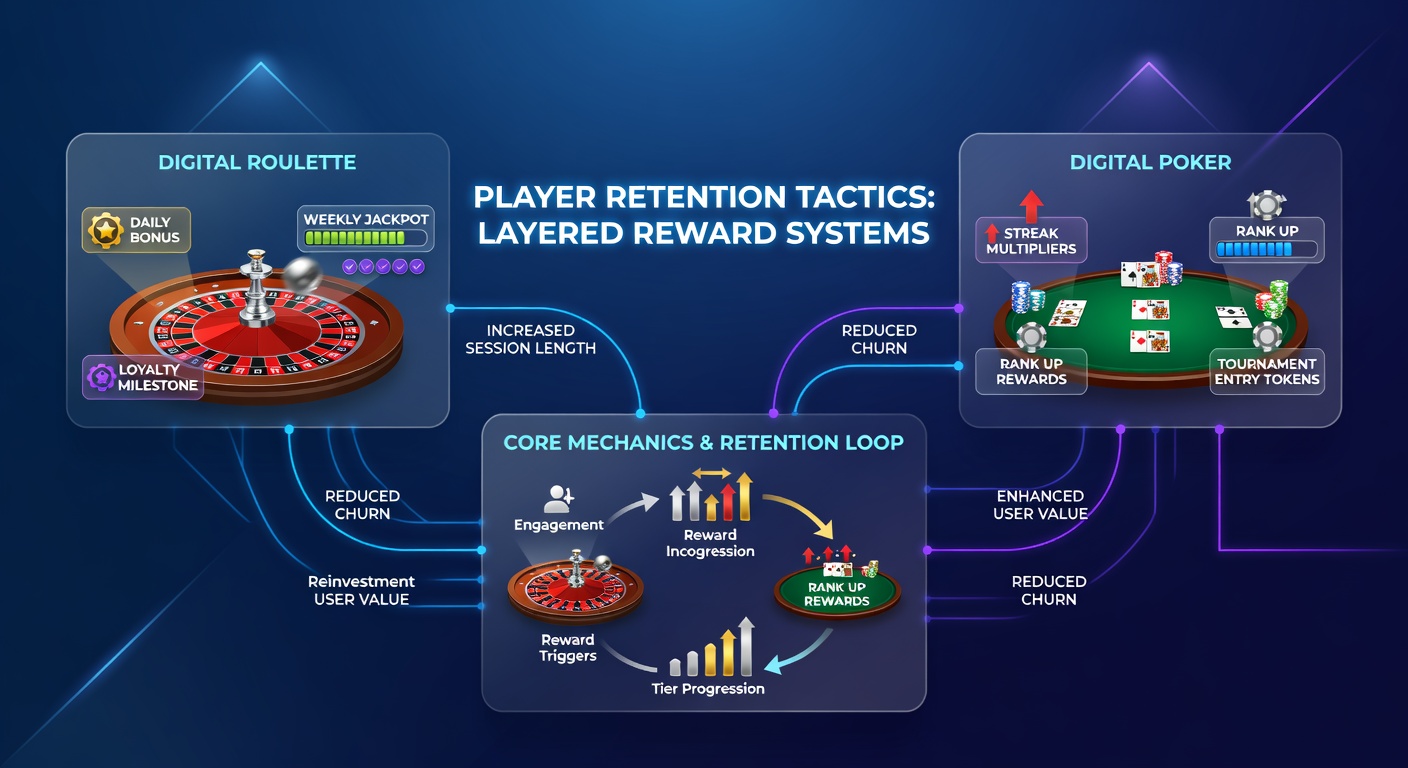
Most layered setups begin with daily login bonuses that scale based on consecutive days played, then branch into game-specific achievements such as completing a certain number of roulette spins within a week or reaching particular hand rankings in poker tournaments. Points accumulate across both environments and feed into tiered status levels, where higher tiers unlock cashback percentages that increase from one percent at entry level to five percent or more at top tiers, and these percentages apply directly to net losses recorded in either roulette or poker sessions.
What's notable is how operators segment rewards so roulette players receive wheel-based multipliers that activate after every tenth spin, whereas poker participants earn badge collections that boost tournament entry credits once a player accumulates five or more specific hand types. This separation allows the same underlying loyalty engine to serve two very different player behaviors without forcing identical mechanics on everyone.
Implementation Patterns Across Platforms
Platforms that launched new sweepstakes casino models across the US market in May 2026 incorporated these layered frameworks from day one, often bundling them with entry-level free credit packs that convert into real-money play after initial deposits. Observers note that these May 2026 launches frequently use time-limited events where players earn double points for roulette sessions completed during evening hours, while poker rooms run parallel leaderboards that award seats in exclusive freerolls to the top fifty point earners each week.
Take one operator who structured its roulette rewards around a color-matching streak system: players who land three consecutive red or black outcomes receive escalating chip bonuses, and those streaks also contribute toward a monthly leaderboard that resets at the start of each calendar cycle. In the same environment poker players climb a separate ladder by completing daily challenges like playing a set number of hands or winning pots above a threshold amount, and both ladders feed into a shared VIP club that grants access to personalized reload offers once a player hits the third tier.
Player Behavior and Progression Tracking
Research indicates that players who engage with at least two layers of rewards show retention rates that remain steady across a three-month window, whereas single-layer participants tend to drop off after the initial promotional period ends. Figures from industry reports reveal that roulette sessions often see shorter but more frequent returns when multipliers stack, while poker environments benefit from longer session durations once players near a tier threshold and want to secure the associated perk before the cycle resets.
And yet the most effective systems avoid pushing players too aggressively toward any single game, instead letting natural preferences guide which rewards they chase. One study of multi-game platforms found that participants who split time between roulette and poker maintained higher overall lifetime values than those who remained in one vertical, largely because cross-game point pooling created natural bridges between the two experiences.
Regulatory Context and Data Sources
According to reports from the Pennsylvania Gaming Control Board, operators must clearly disclose how points convert into tangible rewards, and this transparency requirement has pushed platforms to simplify their tier descriptions so players can track progress without confusion. In parallel, data released by the International Association of Gaming Regulators highlights that jurisdictions in Australia and parts of Canada have begun requesting similar clarity around reward expiration dates, prompting many digital operators to extend point validity windows to ninety days or longer.
Those who've examined retention metrics across regions note that platforms using synchronized expiration dates for both roulette and poker rewards see fewer complaints about lost progress, and this consistency appears especially important for players who alternate between the two formats during the same week.
Future Adjustments and Measurement
Operators continue to refine these systems by analyzing which reward layers produce the strongest repeat visits, and early results suggest that combining small instant gratifications with larger milestone unlocks sustains engagement more effectively than either approach alone. Platforms tracking May 2026 sweepstakes launches have already begun testing hybrid events where roulette spin streaks contribute toward poker tournament qualification, creating a unified progression path that feels cohesive even when players switch games mid-session.
What's significant is how these adjustments rely on granular data rather than broad assumptions, allowing operators to shift point earning rates or tier thresholds based on observed player movement between roulette and poker tables.
Conclusion
Layered reward systems in digital roulette and poker environments operate through interconnected mechanics that reward both immediate play and sustained participation, and operators continue to adjust these frameworks in response to player data and regulatory expectations. The May 2026 wave of US sweepstakes platforms demonstrates how such structures can be embedded from launch, while cross-regional regulatory guidance ensures players receive clear information about how rewards accumulate and expire. As platforms refine these tactics, the focus remains on creating balanced progression paths that keep roulette and poker participants returning without favoring one format over the other.