Mosquito Grizzly Bear’s Head Lean Man First Nation Accelerates $100 Million Casino Resort Vision Along Saskatchewan's Highway 16 - 1776451047421
Mosquito Grizzly Bear’s Head Lean Man First Nation Accelerates $100 Million Casino Resort Vision Along Saskatchewan's Highway 16

Project Details Emerge from Recent Community Gathering
The Mosquito Grizzly Bear’s Head Lean Man First Nation (MGBHLM) moves ahead with its ambitious $100 million casino and resort initiative in North Battleford, Saskatchewan, Canada, where plans call for relocating the existing Gold Eagle Casino to a sprawling 67-acre parcel along Highway 16 West; this strategic spot promises enhanced accessibility for travelers adn locals alike, while integrating a brand-new hotel and convention center to draw crowds from across the prairies and beyond.
Stakeholders gathered at a key community meeting on April 14, 2026, receiving detailed updates on the project's trajectory, and construction timelines project a three-year build phase that will transform the site into a multifaceted entertainment hub; figures reveal over 350 jobs during the construction period alone, followed by 400 permanent positions once operations kick off, signaling a substantial lift for local employment in a region hungry for stable opportunities.
Projections estimate 500,000 annual visitors streaming through the doors, boosting tourism dollars and fostering economic self-sufficiency for the First Nation, which has long championed such developments to secure its future; observers note how this relocation builds on the Gold Eagle Casino's established footprint, yet elevates it with modern amenities that align with growing demand for integrated resort experiences in Western Canada.
Strategic Location and Infrastructure Highlights
Highway 16 West serves as the project's lifeline, a major thoroughfare connecting North Battleford to Edmonton and Saskatoon, making the 67-acre site ideal for capturing passing traffic while minimizing urban congestion; the development encompasses not just gaming floors but expansive hotel accommodations and a convention center geared toward events, conferences, and gatherings that could span cultural festivals to business summits.
Those familiar with Saskatchewan's gaming landscape point out that such projects often hinge on prime real estate like this, where visibility and proximity to transport routes amplify visitor numbers; the Gold Eagle Casino, currently operational under MGBHLM management, will shutter its original location to consolidate operations here, streamlining efficiencies and allowing for expanded offerings that include slots, table games, and potentially live entertainment venues.
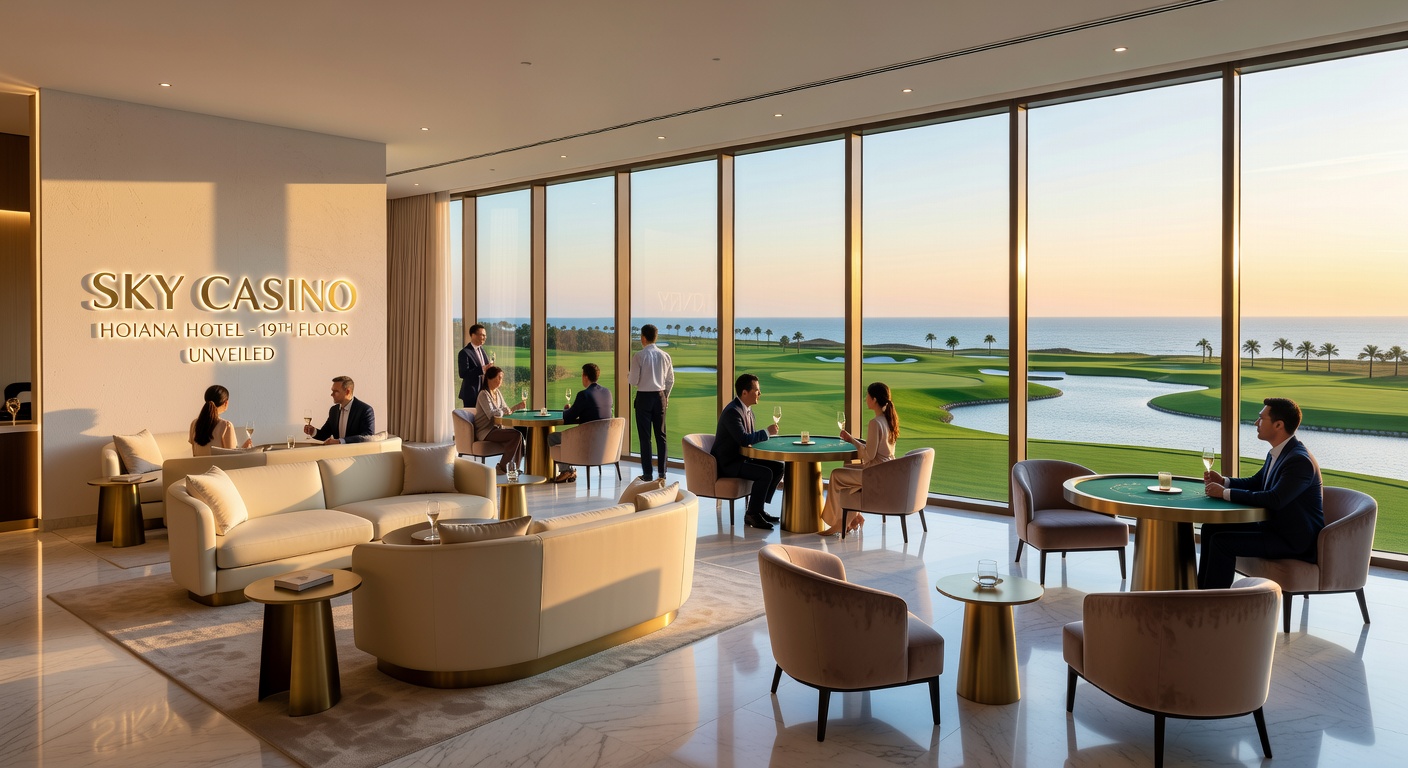
And while details on specific architectural designs remain forthcoming, early renderings suggest a blend of Indigenous-inspired aesthetics with contemporary resort vibes, ensuring the site resonates culturally yet appeals broadly; this approach mirrors successful models seen in other Canadian Indigenous-led ventures, where authenticity drives repeat visits.
Economic Ripple Effects and Job Creation Breakdown
Construction crews will generate more than 350 positions over three years, encompassing skilled trades like electricians, plumbers, and heavy equipment operators, alongside support roles in project management and site logistics; once complete, the resort anticipates 400 long-term jobs ranging from dealers and hospitality staff to maintenance teams and administrative personnel, with many earmarked for local and First Nation hires to prioritize community uplift.
That influx of 500,000 yearly visitors doesn't just fill slots and beds; it cascades into ancillary spending at nearby eateries, gas stations, and retailers, while positioning North Battleford as a tourism anchor in Saskatchewan's northwest; data from similar regional developments, such as those tracked by the Saskatchewan Indian Gaming Authority (SIGA), underscores how these ventures multiply local GDP contributions through sustained payrolls and supplier contracts.
But here's the thing: for MGBHLM, economic self-sufficiency ranks paramount, as gaming revenues historically fund health programs, education initiatives, and infrastructure back home; experts who've studied Indigenous gaming in Canada observe that resorts like this one fortify sovereignty by channeling profits directly into community priorities, rather than external dependencies.
- Short-term: 350+ construction jobs over 36 months.
- Long-term: 400 operational roles, emphasizing local recruitment.
- Tourism boost: 500,000 visitors annually, fueling regional commerce.
Key Figures Steering the Initiative
Chief Tanya Stone of MGBHLM leads the charge, articulating the vision at the April 14 community forum where progress reports highlighted milestones achieved thus far; alongside her stands FSIN Chief Bobby Cameron, representing the Federation of Sovereign Indigenous Nations and lending provincial Indigenous support to the endeavor.
SIGA CEO Zane Hansen brings industry heft, given his organization's oversight of Saskatchewan's First Nations casinos, ensuring regulatory alignment and operational best practices; North Battleford Mayor Kelli Hawtin rounds out the collaborative front, voicing municipal backing for the project's potential to revitalize the city's economy without straining public resources.
These leaders convened amid growing momentum, their presence at the meeting underscoring unified commitment; according to reports from World Casino Directory, such high-level involvement signals smooth navigation through permitting and financing hurdles, a common bottleneck in large-scale builds.
Turns out, partnerships like this—spanning First Nation leadership, gaming authorities, and civic officials—often prove the linchpin for success in Canada's Indigenous gaming sector; one case where observers noted similar dynamics involved other SIGA-backed properties, where cross-stakeholder buy-in accelerated timelines adn amplified impacts.
Broader Context in Saskatchewan Gaming Landscape
Saskatchewan's First Nations have carved a niche in gaming since the 1990s, with SIGA managing multiple casinos that collectively draw millions in revenue; the Gold Eagle Casino, nestled in North Battleford since its inception, now evolves under MGBHLM stewardship, reflecting a pattern where established venues upgrade to resort status for competitiveness.
Yet this $100 million commitment stands out for its scale, rivaling projects in more populous provinces, and positions the province's northwest as an emerging hotspot; researchers tracking Canadian tourism data highlight how highway-adjacent resorts capture spontaneous stops from cross-country drivers, a boon for areas like North Battleford with natural attractions nearby, from riverside parks to historic sites.
What's interesting is the timing: April 2026's update arrives as post-pandemic travel rebounds, with Statistics Canada figures showing prairie visitation up 15% year-over-year; for MGBHLM, seizing this window means not just relocation, but reinvention—equipping the site with convention spaces that host trade shows, weddings, and cultural events to diversify beyond gaming.
And so, while construction crews mobilize, anticipation builds around ancillary features like dining outlets featuring local Indigenous cuisine or spa facilities overlooking the plains; those who've followed such builds know the real payoff lies in year-round viability, weathering seasonal dips through versatile programming.
Challenges and Milestones Ahead
Three-year timelines demand meticulous planning, from environmental assessments—standard for greenfield sites along highways—to supply chain coordination amid potential labor shortages; MGBHLM's track record with Gold Eagle reassures stakeholders, as the casino has operated reliably for years, building trust with patrons and regulators alike.
Community forums like the one on April 14 serve as barometers, gauging support and addressing concerns head-on, whether traffic flow or workforce training; SIGA's involvement mitigates risks, drawing on protocols honed across its portfolio, while municipal partnerships ease zoning and infrastructure tie-ins.
Short punch. Long game wins here.
Observers anticipate groundbreaking soon, with phased openings allowing gaming to resume swiftly post-relocation; this measured pace, common in resort projects, balances ambition with pragmatism, ensuring the $100 million investment yields enduring returns.
Conclusion
The Mosquito Grizzly Bear’s Head Lean Man First Nation's $100 million casino resort project along Highway 16 West in North Battleford crystallizes a forward-thinking blueprint for economic empowerment, relocation of the Gold Eagle Casino to a 67-acre powerhouse complete with hotel and convention facilities; the April 14, 2026, community meeting laid bare the roadmap—three years of construction spawning 350 jobs, 400 permanent slots, and 500,000 visitors yearly—backed by luminaries like Chief Tanya Stone, FSIN's Bobby Cameron, SIGA's Zane Hansen, and Mayor Kelli Hawtin.
As Saskatchewan's gaming tapestry expands, this venture spotlights Indigenous ingenuity at the crossroads of tradition and tourism; the ball's now in the builders' court, with every milestone poised to ripple prosperity across the prairies, solidifying North Battleford's place on teh map for years to come.