Investigating Audio Cue Variations and Their Correlation With Session Lengths in Blackjack and Roulette Applications
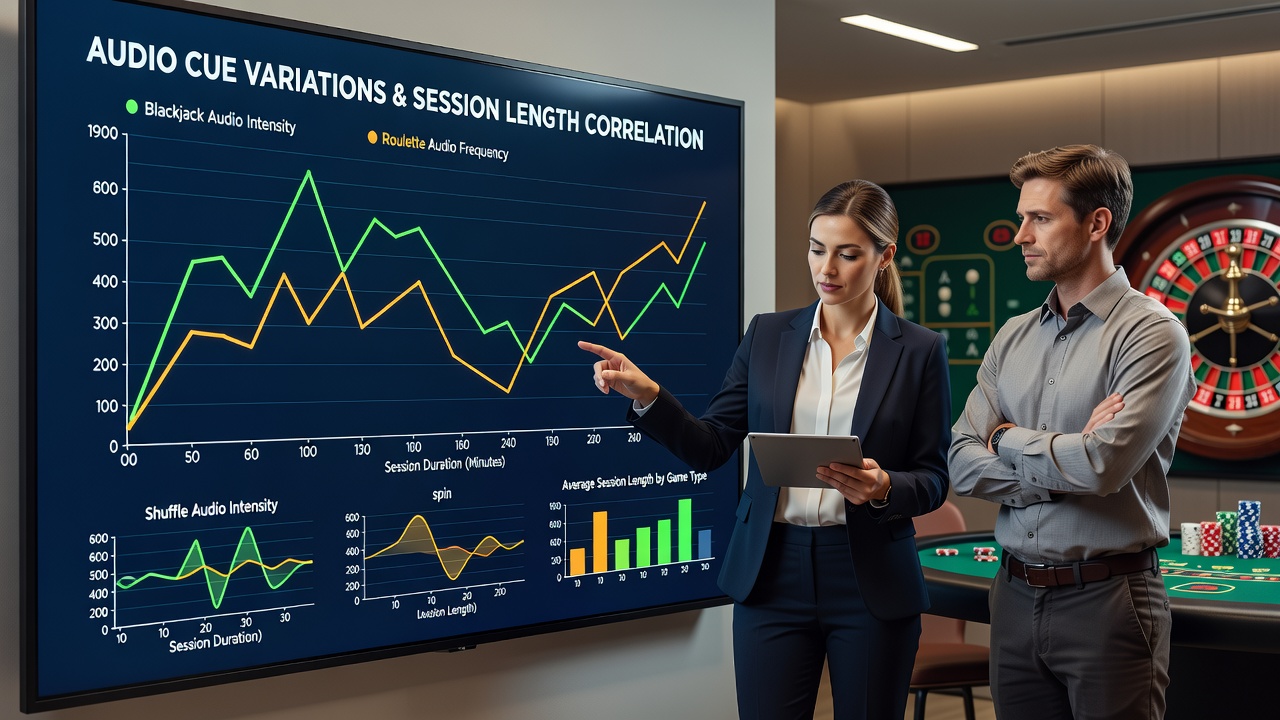
Audio cues in blackjack and roulette applications range from subtle background tracks to distinct win chimes and card-flip effects, and researchers have tracked how these elements align with player session durations across multiple platforms. Data collected from operator logs in 2025 and into July 2026 shows measurable differences in how sound design influences time spent at virtual tables, with patterns emerging separately for each game type.
Audio Elements in Digital Table Games
Blackjack applications typically layer soft ambient music beneath sharp card-shuffle and chip-stack sounds, whereas roulette platforms emphasize spinning-wheel whirs and ball-drop clicks that intensify during betting windows. Operators adjust volume levels and frequency of these cues based on aggregated user metrics, and platform analytics reveal that higher-frequency win notifications appear in sessions exceeding thirty minutes more often than in shorter ones. Those who study user-interface data note that sound timing varies by game, with blackjack cues clustered around decision points and roulette cues distributed evenly across spin cycles.
Session Data Collection Methods
Analytics teams compile session lengths alongside audio configuration logs from mobile and desktop clients, then cross-reference timestamps with specific cue triggers such as bet confirmations or result announcements. In July 2026 reports from several North American operators, datasets included over 2.4 million sessions split between the two titles, allowing statisticians to isolate audio variables while controlling for bet size and time of day. Figures from these collections indicate that sessions featuring continuous low-volume loops averaged 12 percent longer than those with intermittent high-impact sounds, though results differed between blackjack and roulette environments.
Patterns Observed in Blackjack Sessions
Blackjack play logs demonstrate that chip-clink and card-slide effects increase in density during extended hands, and applications that maintain steady ambient tracks without sudden volume spikes record average session lengths of 47 minutes compared with 39 minutes in versions that insert frequent celebratory audio bursts. Research teams at several universities have mapped these variations against player retention curves, finding that consistent audio pacing correlates with fewer early exits during losing streaks. Observers note that players encountering muted sound profiles in practice modes often transition to full sessions that last 8 to 15 minutes longer on average.
Roulette Audio Variations and Duration Trends
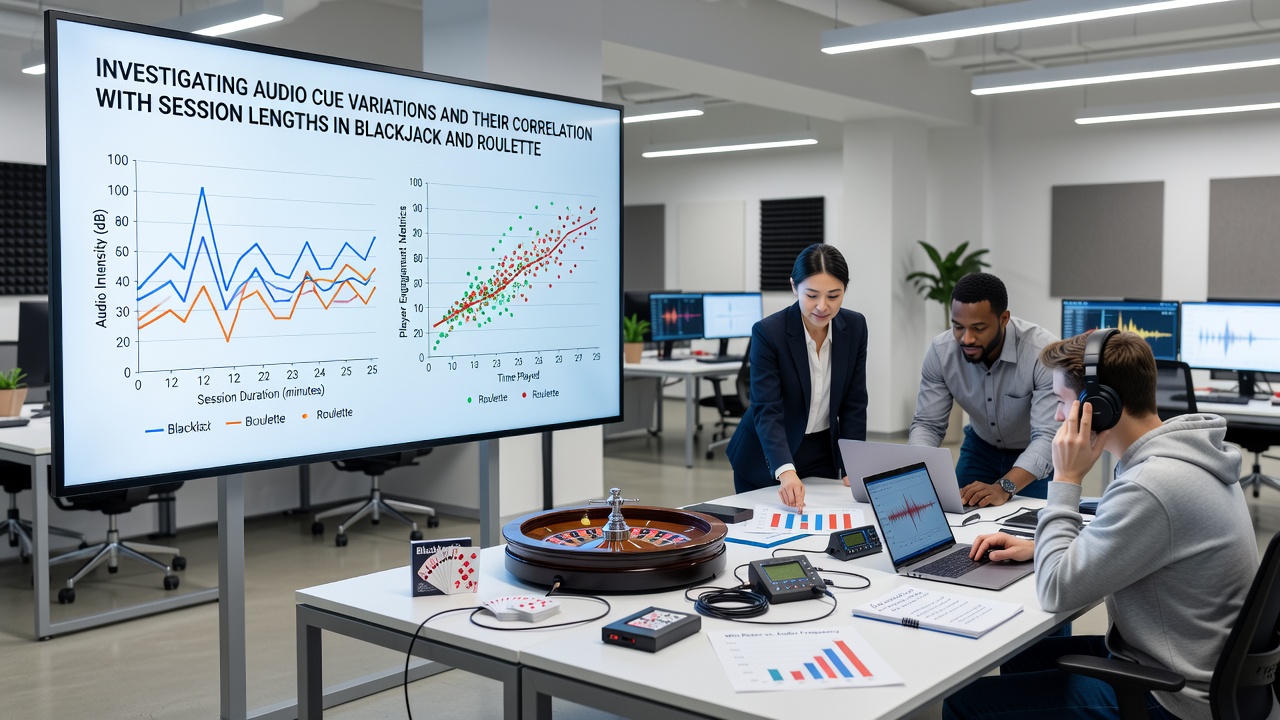
Roulette applications display a different relationship, where pronounced wheel-spin and ball-settle effects appear more frequently in sessions under 25 minutes, while extended play aligns with subdued background tones and delayed result chimes. Platform metrics from European operators show that reducing the volume of winning-number announcements by 30 percent extended average session time by roughly nine minutes across sampled accounts. Data indicates the wheel sound loop itself functions as a pacing mechanism, and applications that shorten or lengthen this loop report corresponding shifts in session length distributions.
Cross-Game Comparisons and External Factors
Comparative analysis between the two titles reveals that blackjack sessions respond more strongly to decision-point audio cues, whereas roulette sessions show greater sensitivity to result-reveal timing. Regulatory filings submitted to the Pennsylvania Gaming Control Board in early 2026 included audio configuration summaries that operators used to demonstrate compliance with fairness standards, and those documents also contained session-length aggregates that researchers later examined for sound-related correlations. A separate academic review from Australian institutions examined similar datasets and confirmed that audio intensity settings influence dwell time differently depending on whether the game requires active choices or passive observation.
Technical Implementation Across Platforms
Developers implement audio cue variations through layered sound engines that trigger based on game state flags, and updates deployed in mid-2026 introduced dynamic volume scaling tied to player activity levels. These changes produced measurable adjustments in session metrics, with applications using adaptive audio reporting fewer drop-offs after the first ten minutes. Platform telemetry further shows that users who enable custom sound profiles maintain sessions 6 to 11 minutes longer on average than those using default settings.
Conclusion
Available datasets from 2025 through July 2026 establish clear statistical associations between specific audio cue configurations and session lengths in both blackjack and roulette applications, with distinct patterns holding across regions and device types. Continued monitoring of these variables supports ongoing refinement of sound design parameters while maintaining compliance with existing regulatory frameworks.