How Neural Network Models Customize Roulette Sequences Using Aggregated Player History Data in Mobile Platforms
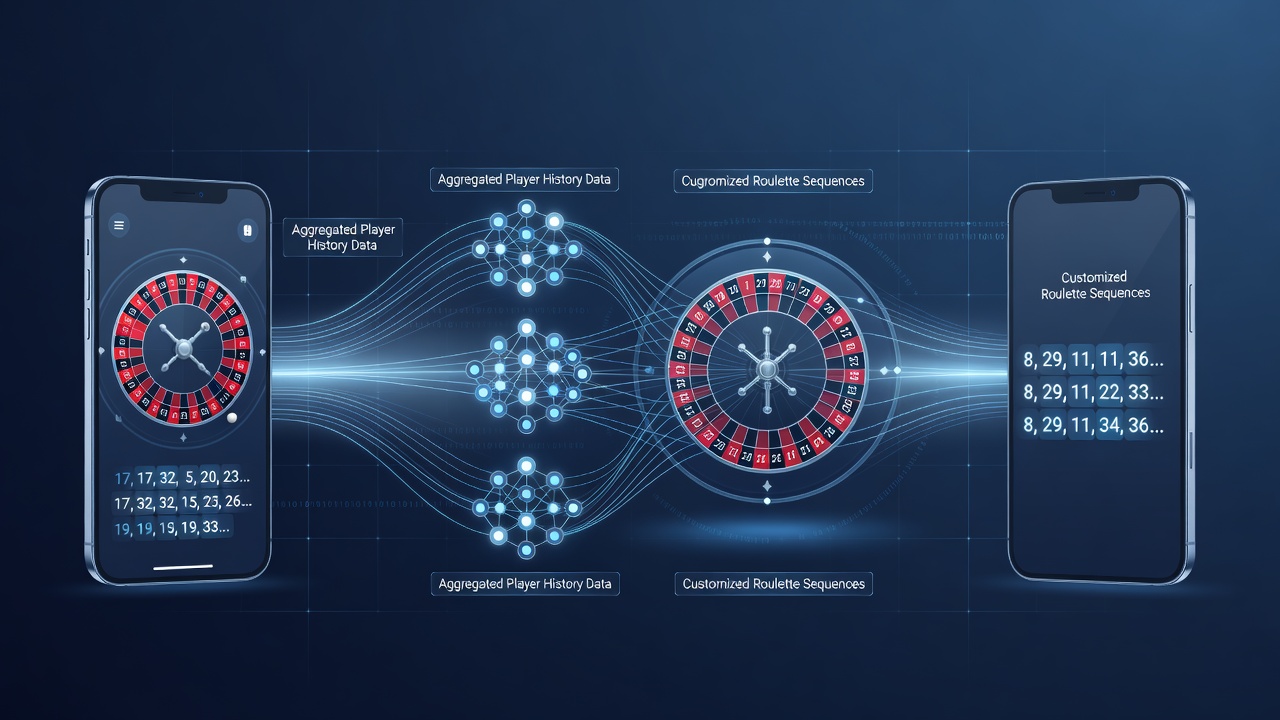
Neural network models process aggregated player history data to adjust roulette sequence parameters within mobile gaming platforms, and operators deploy these systems to align spin patterns with observed behavioral trends across user bases. Research from academic institutions shows that recurrent neural networks analyze sequences of past bets, session durations, and outcome preferences to generate tailored virtual wheel behaviors that maintain regulatory randomness standards while reflecting collective patterns.
Data Aggregation Foundations in Mobile Environments
Mobile platforms collect anonymized records including bet frequencies, color preferences, and timing intervals from thousands of sessions, then feed these datasets into neural architectures for training purposes. According to findings published by the University of Nevada's gaming research division, these aggregated inputs allow models to identify clusters such as players who favor even-money bets versus those engaging with high-variance number selections, and the systems apply this knowledge to modulate sequence presentation layers without altering core probability structures.
Convolutional and long short-term memory networks work together to process temporal data streams, so a model might detect that certain user cohorts extend sessions after specific sequence repetitions occur and adjust future outputs accordingly within approved variance limits. Data indicates that platforms operating in multiple jurisdictions integrate these techniques to comply with local technical standards while optimizing engagement metrics derived from historical aggregates.
Model Training and Sequence Adaptation Mechanisms
Training begins with large-scale historical logs stripped of personal identifiers, after which supervised learning phases map input patterns to desired output adjustments such as slight variations in animation pacing or bet suggestion overlays that accompany the roulette wheel. Observers note that generative adversarial networks sometimes supplement these efforts by creating synthetic sequence examples that help models generalize across diverse player segments without overfitting to any single regional dataset.
During live operation the deployed model receives real-time aggregated signals from ongoing sessions and produces customized sequence recommendations that respect the certified random number generator outputs, and this process occurs server-side to ensure consistency across devices. A report from the Canadian Institute for Gaming Research highlights how such hybrid systems have been tested in controlled environments, revealing measurable shifts in average session lengths when sequences align with predominant historical tendencies observed in the training corpus.

Regulatory Compliance and Technical Safeguards
Jurisdictions including those overseen by the Nevada Gaming Control Board and the Malta Gaming Authority require independent audits of any adaptive algorithms to confirm that customization layers do not compromise certified randomness, and platform operators submit model documentation detailing how aggregated data influences sequence generation. Technical standards updated in early 2026 emphasize transparency in these processes, requiring clear separation between the random core and the personalization overlay that draws from collective history.
Platforms active in June 2026 have begun incorporating differential privacy techniques during data aggregation, which adds statistical noise to individual records before they reach the neural network training pipeline and thereby reduces re-identification risks while preserving pattern utility. Evidence from industry technical papers shows these measures allow continued model refinement without violating emerging data protection rules across North American and European markets.
Implementation Examples Across Platforms
One major mobile operator integrated a transformer-based architecture that processes weekly aggregated histories to adjust visual feedback elements surrounding the roulette wheel, and internal testing logs indicate the approach correlates with sustained player activity levels across multiple cohorts. Another deployment in the Asia-Pacific region uses federated learning so that models improve locally on each device before contributing updates to a central aggregator, minimizing raw data transmission while still capturing regional preference variations.
These implementations rely on continuous monitoring dashboards that track divergence between model-predicted sequences and actual certified random outputs, ensuring deviations remain within predefined tolerance bands established during certification. Figures released by the European Gaming and Betting Association reveal increasing adoption of such neural approaches among licensed mobile providers, particularly those handling high volumes of concurrent roulette sessions.
Conclusion
Neural network customization of roulette sequences through aggregated player history data continues to evolve within mobile platforms under strict regulatory oversight, with ongoing refinements in privacy-preserving techniques and model architectures supporting compliant personalization at scale. As June 2026 implementations demonstrate, the integration of these systems reflects broader industry movement toward data-driven yet auditable game experiences that balance operational goals with technical and legal requirements across jurisdictions.