How Interface Layout Tweaks Guide User Choices Between Prediction Markets and Randomized Digital Attractions
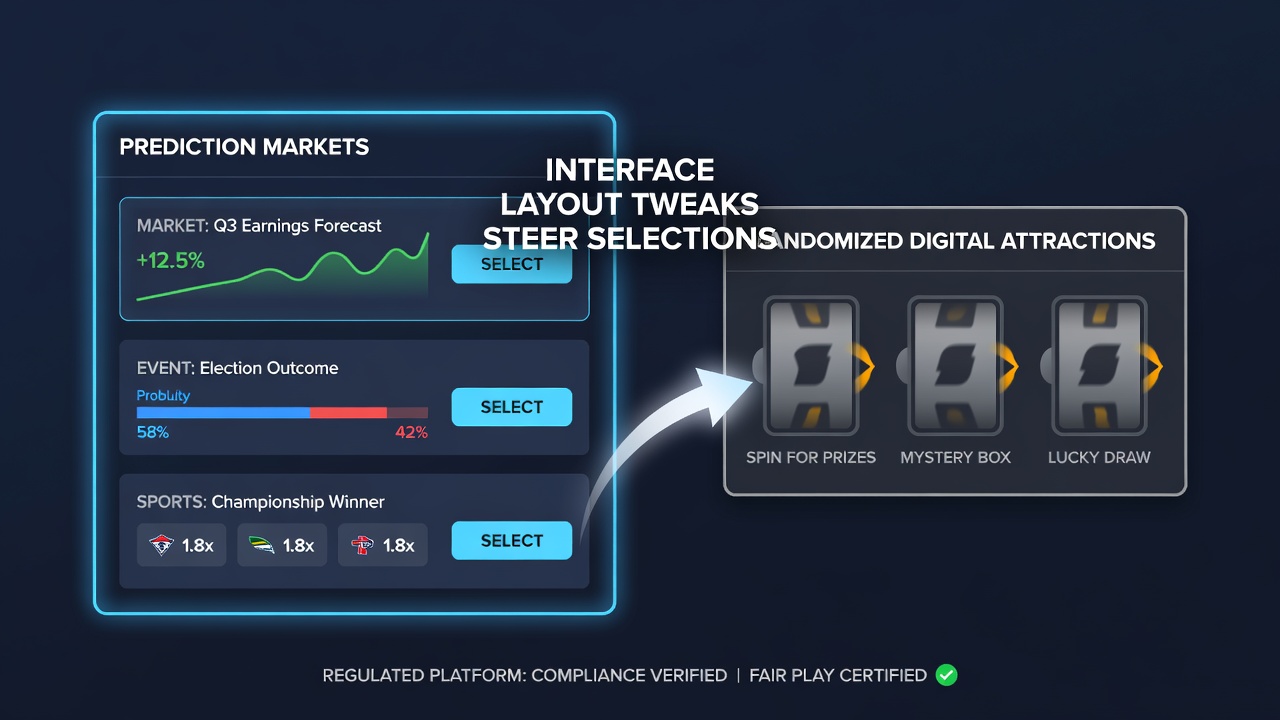
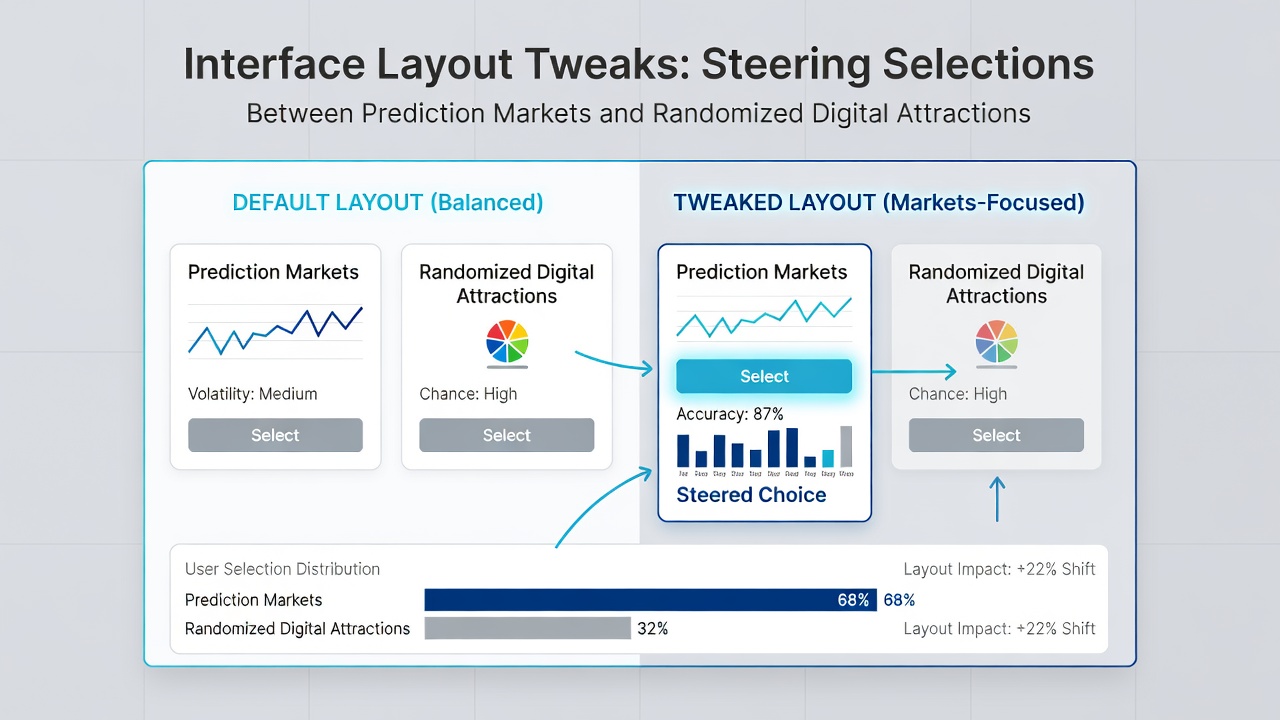
Platform operators on regulated sites adjust element placement, color contrast, and default pathways to influence whether users lean toward event-based prediction markets or randomized digital attractions such as slots and instant games, and these modifications follow patterns documented across multiple jurisdictions in 2026. Data collected from licensed operators shows that shifting a prominent call-to-action button from the center column to the upper right quadrant increases selection rates for prediction markets by measurable margins while reducing immediate clicks on randomized game carousels.
Core Differences in User Pathways
Prediction markets present fixed outcome selections tied to external events with visible odds and settlement timelines, whereas randomized attractions rely on algorithmic sequences that resolve instantly without external references. Interface adjustments exploit these distinctions by altering scroll depth required to reach each category. Operators position prediction market tiles at eye level on initial load for users who previously engaged with sports or political events, while randomized game sections sit one scroll further down unless users actively expand a secondary menu.
Studies conducted on platforms licensed in multiple regions reveal that reducing the number of randomized game thumbnails visible above the fold correlates with higher engagement in prediction interfaces during evening hours. Conversely, expanding randomized attraction previews to occupy sixty percent of the viewport during afternoon sessions draws selections away from markets that require additional clicks to access detailed odds.
Layout Elements That Drive Selection Patterns
Color temperature adjustments represent one documented technique. Warm accent hues applied to prediction market cards steer attention during live event windows, while cooler tones around randomized game sections maintain visibility without creating urgency. Font weight changes follow similar logic, with semi-bold numerals on odds displays increasing dwell time on market tiles before users navigate elsewhere.
Navigation hierarchy also plays a documented role. When prediction market filters appear as persistent top-level tabs rather than dropdown options, transition rates from randomized attractions rise measurably within the same session. Platforms regulated under frameworks that require transparent outcome disclosures incorporate these filters without altering overall compliance structures, allowing operators to test incremental layout variants through controlled A/B deployments.
Observed Trends in Mid-2026 Deployments
During June 2026 several multi-state operators introduced subtle grid realignments that placed randomized attraction previews in horizontal carousels instead of vertical stacks. Session data indicated subsequent increases in prediction market entries among users who arrived via direct links rather than homepage loads. These modifications occurred alongside routine compliance reporting cycles required by state gaming authorities.
Additional tests involving micro-spacing between category headers produced shifts in average selection sequences. Tighter spacing around prediction market sections encouraged quicker transitions between related events, while wider gaps separating randomized game clusters reduced accidental selections during rapid scrolling. Operators documented these outcomes through internal analytics dashboards shared with regulatory reviewers in participating jurisdictions.
Regulatory Context and Measurement Standards
Regulated platforms must maintain audit trails for any interface modification that affects game presentation order or prominence. Authorities in North America and Australia require operators to log version-controlled changes and demonstrate that alterations do not obscure required responsible gambling messaging or outcome probability information. New Jersey Division of Gaming Enforcement guidelines outline expectations for testing procedures that preserve fairness across different game categories.
Research compiled by academic groups examining digital wagering interfaces indicates that default landing sequences established during account creation carry forward into subsequent visits unless users manually adjust preferences. Platforms therefore test layout variants against cohorts segmented by registration date and prior activity profiles, generating datasets that inform both commercial decisions and regulatory submissions.
Cross-Category Transition Data
Analytics from platforms operating under consistent licensing regimes show measurable movement between prediction markets and randomized attractions when layout prominence rotates on a scheduled basis. One documented pattern involves users entering through randomized game portals yet completing more prediction market wagers after exposure to repositioned odds tickers placed adjacent to spin result animations. These transitions occur without changes to underlying game mathematics or payout structures.
Similar patterns appear when operators introduce collapsible panels that hide randomized attraction grids behind prediction market summaries during active event periods. Users retain full access to both categories yet demonstrate different selection sequences based on which elements occupy initial screen real estate. Compliance teams review such configurations to confirm continued adherence to display requirements across all offered products.
Conclusion
Interface layout modifications on regulated platforms function as measurable variables that correlate with selection distributions between prediction markets and randomized digital attractions. Documented adjustments in element positioning, visual hierarchy, and navigation structure produce repeatable shifts in user pathways while remaining subject to oversight frameworks established by licensing authorities. Continued collection of session-level data throughout 2026 supports ongoing refinement of these techniques within existing compliance boundaries.