Exploring Links Between Weather Patterns and Online Betting Behaviors on Multi-Game Platforms
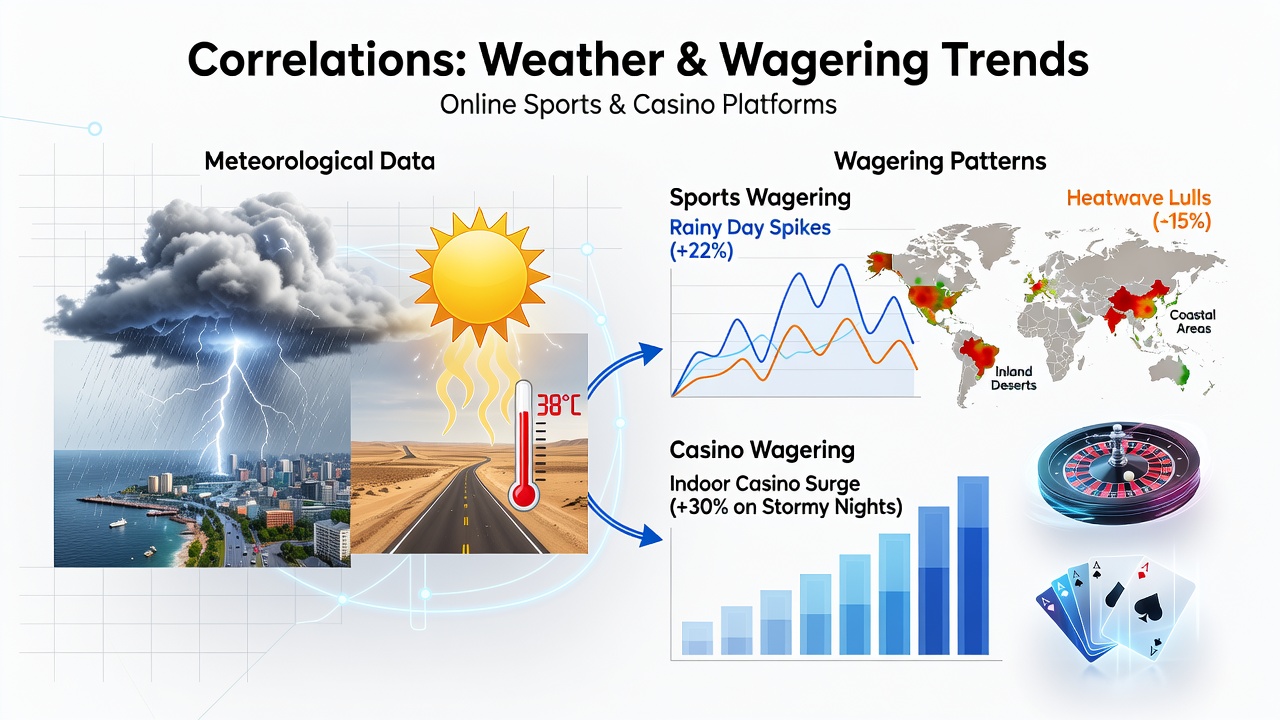
Online platforms that combine sports wagering with casino options reveal measurable shifts in user activity when meteorological conditions change, and researchers have tracked these patterns through platform analytics and regional weather records over multiple seasons. Temperature swings, precipitation levels, and storm activity correlate with distinct increases or decreases in both sports bets and casino game sessions, while operators note that these trends appear consistently across different user demographics and geographic zones.
Temperature Variations and Sports Event Selections
Hotter days often coincide with higher volumes of bets on indoor sports leagues or evening events, whereas cooler conditions tend to draw more activity toward outdoor competitions according to aggregated data from several international operators. Studies conducted by academic teams at institutions like the University of Melbourne indicate that each degree rise above seasonal norms can shift wagering preferences by several percentage points, and analysts attribute this partly to users spending more time indoors during heatwaves. Cold snaps produce the opposite effect in many regions, with increased engagement in hockey and winter sports markets while casino sessions remain relatively stable.
Precipitation Effects on Casino Session Lengths
Rainfall and snow events show stronger associations with extended casino play periods, particularly in slots and table games, as users seek indoor entertainment when outdoor plans become impractical. Data collected from platforms serving North American and European markets demonstrates that moderate to heavy precipitation days produce session duration increases of up to 18 percent compared with clear weather baselines, and these patterns hold after controlling for time of day and promotional activity. Operators report that live dealer games experience notable upticks during prolonged rain periods, while sports betting volumes dip slightly on the same days.
Storm Activity and Cross-Product Transitions
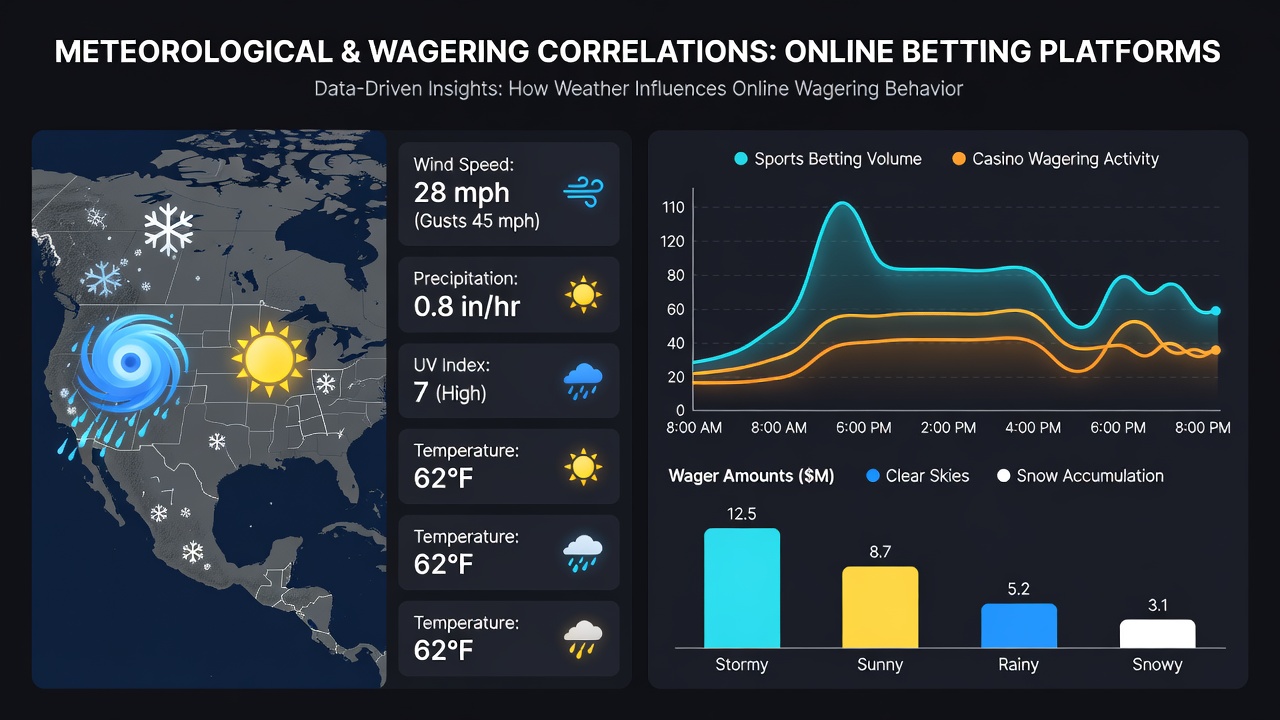
Severe weather events such as thunderstorms and high winds create temporary spikes in platform traffic that often begin with sports bets before transitioning into casino options, adn platform logs from June 2026 captured several such sequences during regional storm clusters across the Midwest and parts of Canada. Researchers examining these transitions note that users frequently start with quick sports wagers on delayed or canceled events before moving to shorter casino sessions, creating a measurable flow between product categories that does not appear as strongly on calm days. One study released through the Australian Gambling Research Centre documented similar patterns in southern hemisphere markets during cyclone season, where users exhibited parallel shifts from sports to casino formats within the same account sessions.
Regional Data Patterns and Platform Analytics
Canadian provincial reports compiled through the Canadian Centre on Substance Use and Addiction highlight that prairie provinces experience distinct wagering increases during long winter storms, while coastal areas show steadier responses to rainfall alone. European operators serving multiple countries have shared anonymized datasets with academic partners, and these records reveal that wind speed above certain thresholds correlates with reduced live sports betting but sustained casino engagement. Platforms offering both verticals can track these movements in real time through user segmentation tools, allowing them to adjust available markets and game lobbies based on incoming weather forecasts rather than reacting after the fact.
Conclusion
Evidence accumulated from operator analytics, academic studies, and regulatory data releases demonstrates consistent correlations between meteorological conditions and wagering patterns across hybrid online platforms, and these relationships continue to inform product development and risk management strategies in multiple jurisdictions. Continued monitoring through 2026 and beyond will likely refine the precision of these models as more granular weather and behavioral datasets become available from diverse regions.