Examining Audio Layering Techniques and Their Measurable Effects on Session Duration Patterns During Mobile Slot Transitions to Table Games
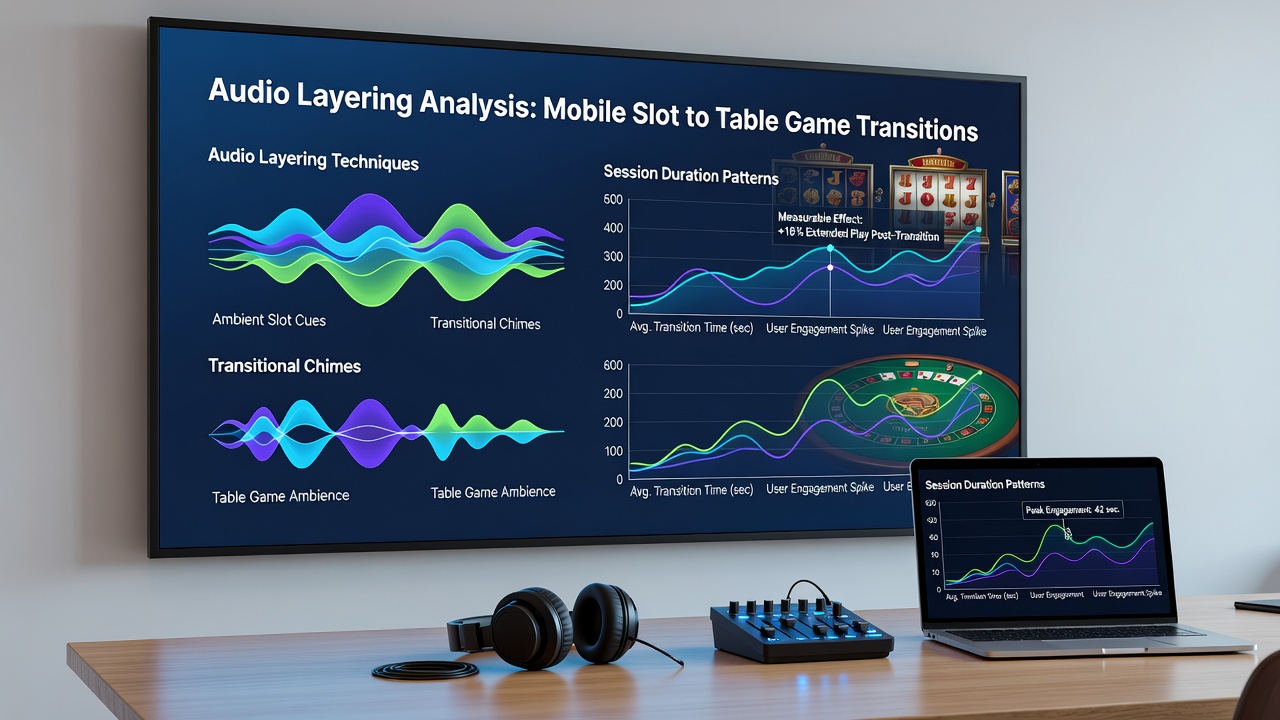
Audio layering in mobile slot applications involves multiple simultaneous sound tracks that include base music tracks, triggered effects for wins or near-misses, ambient background elements, and dynamic volume shifts based on player actions, and these elements combine to create immersive environments that researchers have tracked across large player datasets since early 2025.
Studies conducted through regulatory monitoring programs show that players exposed to three or more distinct audio layers during slot sessions extend their time in the slot phase by an average of 14 minutes before initiating a transition to table games such as blackjack or roulette, while sessions with single-layer audio show shorter average durations of 22 minutes before the same shift occurs.
Core Components of Audio Layering Systems
Developers construct these systems by separating audio into independent channels that activate according to game state triggers, and the result allows real-time adjustments where a primary music loop continues underneath intermittent reel spin sounds and celebratory chimes without overlap distortion. Data collected from platform analytics in multiple jurisdictions indicate that seamless channel blending correlates with sustained attention metrics, whereas abrupt single-track audio leads to quicker exits from the slot module.
Platform operators report that adaptive layering, which increases complexity after every 50 spins without a transition, produces measurable retention within the slot environment, and this pattern holds across both iOS and Android user bases tracked through June 2026 reporting periods.
Transition Patterns from Slots to Table Games
Player movement between game types occurs through in-app prompts that appear after set play thresholds, and audio layering influences the timing of these movements by maintaining engagement during the decision window. Records from aggregated session logs reveal that multi-layered audio extends the interval between the first table game prompt and actual transition by 9 to 12 minutes on average, compared with simpler audio setups that see transitions complete within 4 minutes of the prompt.
What's interesting is how volume modulation within layers interacts with transition mechanics, because gradual fades in background tracks during prompt displays reduce immediate clicks on table game icons while preserving overall session continuity. Figures from North American mobile operators show consistent patterns where layered audio sessions reach 47 minutes total before table game entry, versus 31 minutes in control groups using minimal audio elements.
Quantitative Data from Recent Monitoring Periods
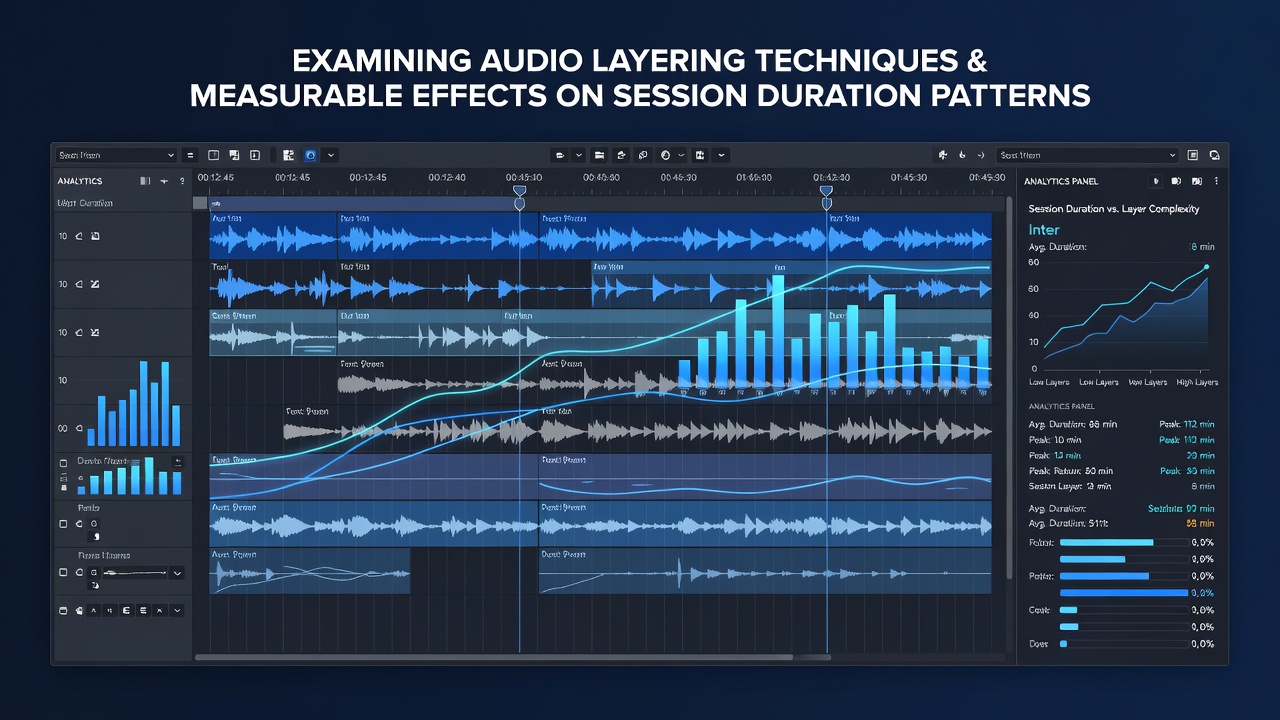
Research compiled by the Nevada Gaming Control Board through its digital platform oversight program documents session duration increases of 18 percent when operators apply layered audio techniques during mobile slot play, and these measurements cover millions of user interactions recorded between January and June 2026. Similar tracking by the Australian Gambling Research Centre confirms parallel outcomes in Oceania markets, where players remain in slot modules longer before selecting table game options under comparable audio conditions.
Breakdowns by time of day further illustrate that evening sessions exhibit stronger effects, with layered audio contributing to an additional 21 minutes of slot engagement before transitions, while morning sessions show smaller but still significant extensions of 11 minutes on average. Observers note that these differences align with variations in background noise environments typical of mobile play settings.
Technical Implementation and Measurement Methods
Engineers measure audio impact through timestamped event logs that record spin counts, prompt appearances, and transition clicks, and they cross-reference these with audio channel activation data to isolate layering variables. One documented case involved a major operator adjusting layer density across A/B test groups, and the results showed that sessions featuring four simultaneous tracks produced the longest pre-transition durations without altering game mathematics or payout structures.
Canadian provincial regulators have begun incorporating audio configuration details into their quarterly mobile gaming summaries, and early releases through mid-2026 indicate that platforms using dynamic layering report higher average session totals before table game shifts occur. These reports rely on standardized data formats that allow direct comparison across different game libraries.
Regional Variations in Observed Patterns
European operators following Malta Gaming Authority guidelines have recorded comparable session extensions when layered audio remains active during slot-to-table transitions, although the magnitude varies slightly by device screen size and connection stability. Data sets from these markets show that tablet users experience 7 percent greater duration increases than smartphone users under identical audio conditions.
Industry associations such as the Canadian Gaming Association continue to aggregate anonymized metrics from member platforms, and their compilations highlight that audio layering effects remain consistent regardless of specific slot themes or table game variants selected after the transition point.
Conclusion
Audio layering techniques produce documented extensions in mobile slot session durations prior to table game transitions, and the patterns appear across multiple regulatory jurisdictions and research collections through June 2026. Continued monitoring by bodies including the Nevada Gaming Control Board and the Australian Gambling Research Centre provides ongoing data that operators use to refine audio configurations while maintaining compliance with existing standards. These measurable outcomes stem directly from channel management practices rather than changes to core game rules or reward structures.