Decoding How Tiered Loyalty Structures Guide Transition Patterns from Sports Wagering to Multi-Table Poker Formats
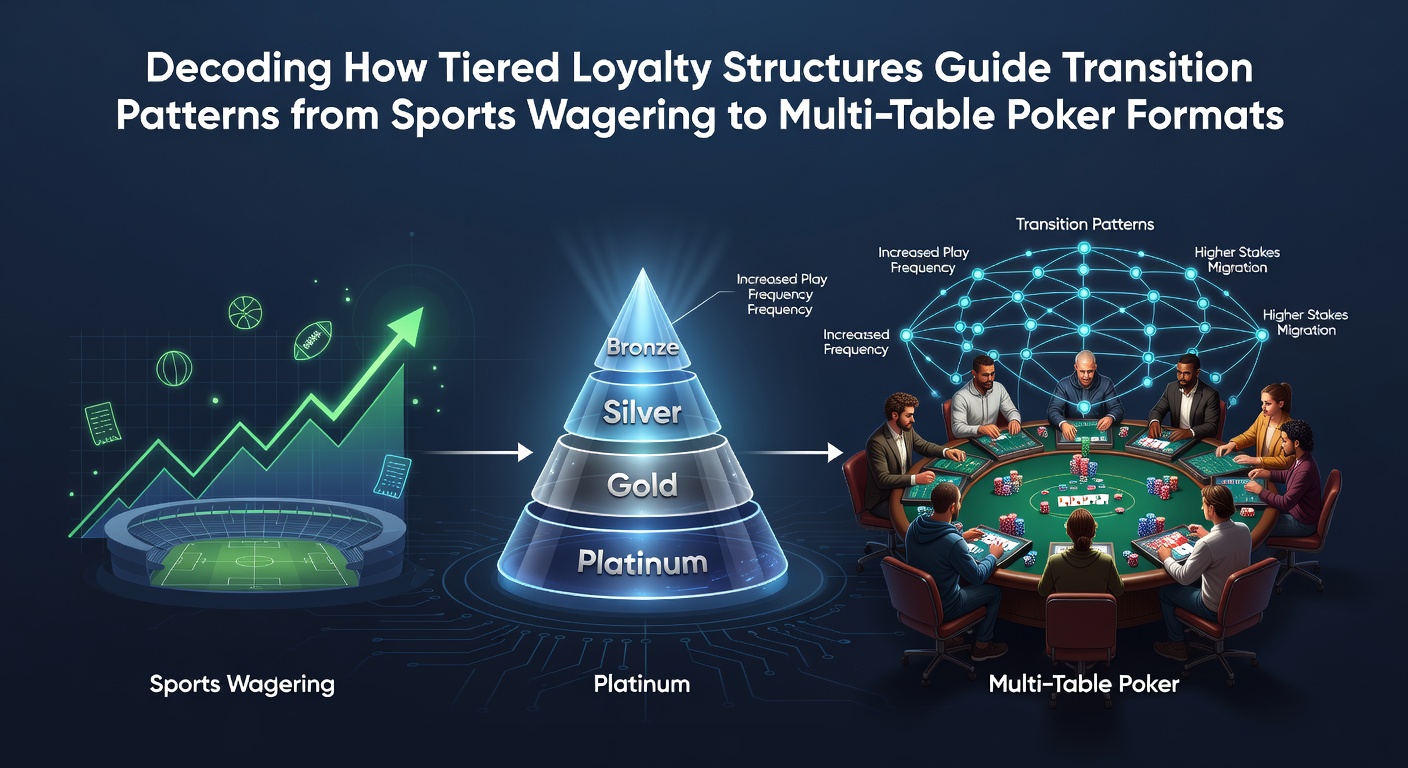
Tiered loyalty structures in online gambling platforms operate through progressive reward levels that accumulate points based on wagering volume and game participation, creating pathways that encourage players to shift from straightforward sports betting activities toward the more structured demands of multi-table poker formats. These systems assign participants to categories such as entry-level, intermediate, and premium tiers, where each advancement unlocks additional benefits including cashback percentages, exclusive tournament entries, and reduced rake rates in poker rooms. Research from industry reports indicates that point-earning mechanics tied to bet frequency in sports markets often serve as initial gateways, while subsequent requirements for sustained table time steer engagement into poker environments that reward strategic depth over single-event outcomes.
Mechanics of Point Accumulation Across Betting Categories
Players begin in sports wagering sections where every dollar risked on events generates baseline points that feed into tier progression, yet the structure incorporates multipliers when activity extends into poker sessions with multiple simultaneous tables. Data shows that operators adjust earning rates so that early sports-focused behavior builds the foundation for access to poker-specific perks such as priority seating and bonus chips during promotional periods. Observers note that this sequencing reduces abrupt shifts because the same loyalty currency applies across verticals, allowing gradual exposure to poker hand volumes without requiring separate enrollment processes. Figures from regulatory filings reveal consistent patterns where participants who reach intermediate tiers demonstrate higher rates of adding poker tables to their routines compared with those remaining at entry levels.
Transition Patterns Observed in Player Behavior Data
Analysis of session logs across major platforms indicates that individuals advancing through loyalty tiers display measurable increases in multi-table poker participation once they unlock mid-level rewards that offset the higher time commitment involved. Sports bettors who accumulate points primarily through live event wagers encounter incentives like free tournament tickets that introduce poker formats, and these prompts correlate with expanded table counts per session. Studies compiled by gaming research groups highlight that tier advancement often coincides with changes in play duration, where sports sessions shorten while poker table hours extend as players chase the next reward bracket. This progression appears in markets including several U.S. states with expanded igaming options, where operators track cohort movements through anonymized account metrics.
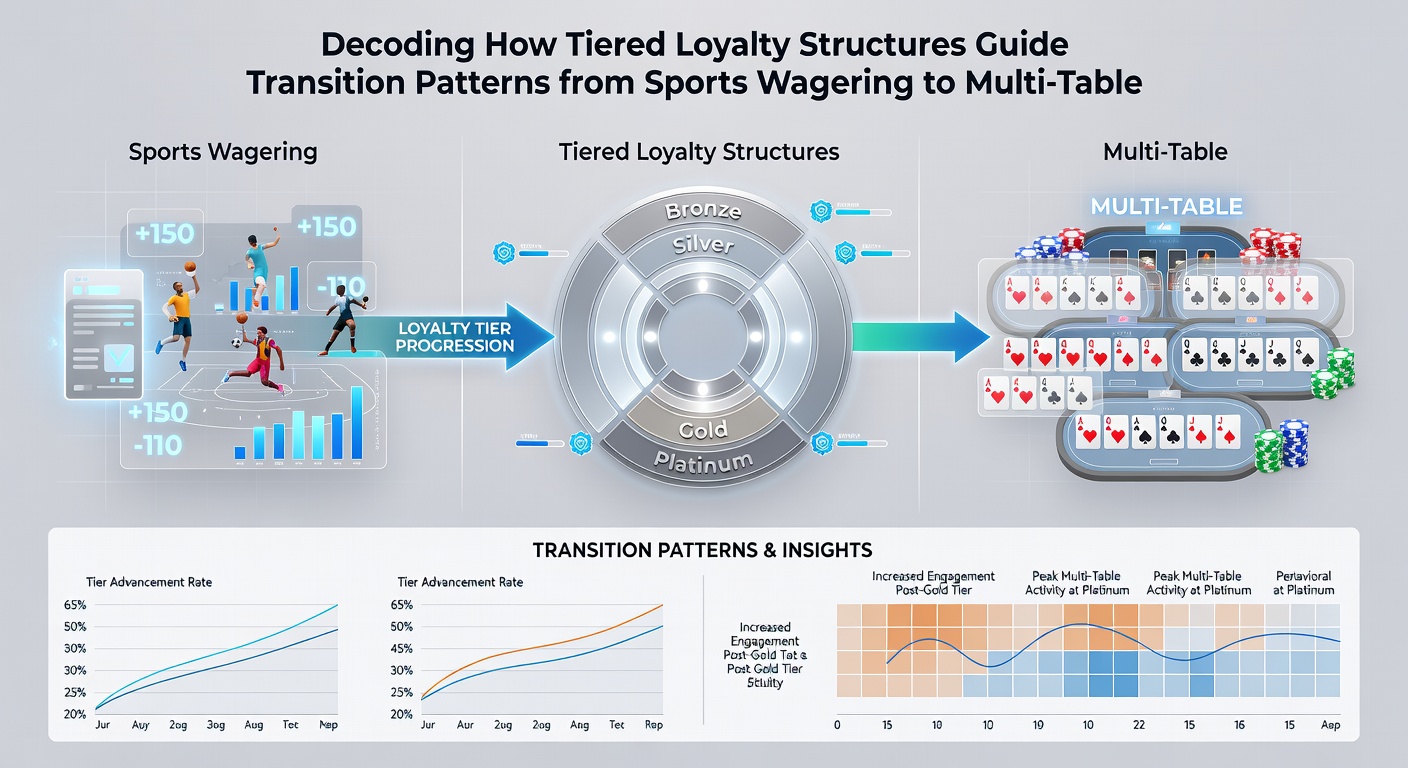
What's interesting is how the architecture discourages abrupt platform switches because accumulated status carries forward, maintaining continuity that supports experimentation with poker without loss of prior progress. Reports from the American Gaming Association document that platforms integrating these layered systems record elevated retention across both sports and poker products during seasonal peaks. External factors such as regulatory updates in various jurisdictions further shape these flows, with compliance requirements influencing how quickly new tier features can roll out to users.
Regional Variations in Implementation and Outcomes
Platforms operating under frameworks like those managed by the New Jersey Division of Gaming Enforcement apply tier structures that emphasize transparent point tracking, resulting in documented shifts toward poker formats among users who previously concentrated on sports markets. In contrast, Canadian provincial operators incorporate additional elements such as seasonal challenges that reward cross-category play, producing transition data that aligns with broader North American trends. Academic examinations of player databases from European markets show similar tier-driven movements, although local tax structures and game availability modify the speed of adoption. Those examining longitudinal records find that premium tier members sustain multi-table poker involvement at higher frequencies once initial sports-driven points have elevated their status.
Operators refine these programs by monitoring conversion metrics that link specific reward types to subsequent poker table counts, allowing adjustments that maintain engagement momentum. Evidence from aggregated platform statistics suggests the approach works because it aligns with natural progression in player skill development, where sports simplicity gives way to poker complexity as rewards scale accordingly. Government statistical releases from multiple regions continue to track these dynamics as igaming expands into additional states and provinces throughout 2026.
Integration with Platform Features and Future Adjustments
Modern loyalty interfaces embed tier status directly into both sportsbooks and poker lobbies, displaying real-time progress that nudges continued participation across formats. This visibility supports transitions because players see concrete next steps, such as point thresholds that unlock additional tables or reduced fees during high-volume poker events. Research indicates that operators testing hybrid promotions, where sports points convert partially into poker buy-ins, observe accelerated movement patterns in targeted user segments. Regulatory bodies in expanding markets monitor these integrations to ensure they comply with responsible gaming standards while still permitting the structural incentives that guide activity flows.
Conclusion
Tiered loyalty structures function as navigational systems that translate initial sports wagering engagement into sustained multi-table poker involvement through incremental reward access and unified point economies. Available data from regulatory and industry sources demonstrates consistent patterns across jurisdictions, with advancement correlating to expanded poker participation metrics. As platforms continue refining these mechanisms amid evolving regulatory landscapes, the underlying architecture remains centered on measurable progression that connects disparate game categories without requiring players to restart status accumulation. Continued observation of account-level statistics will clarify how these systems adapt to new market entries scheduled for later periods.