Adaptive Interfaces in Multi-Game Casino Environments Adjust to Scroll Behaviors in Slots and Poker Play
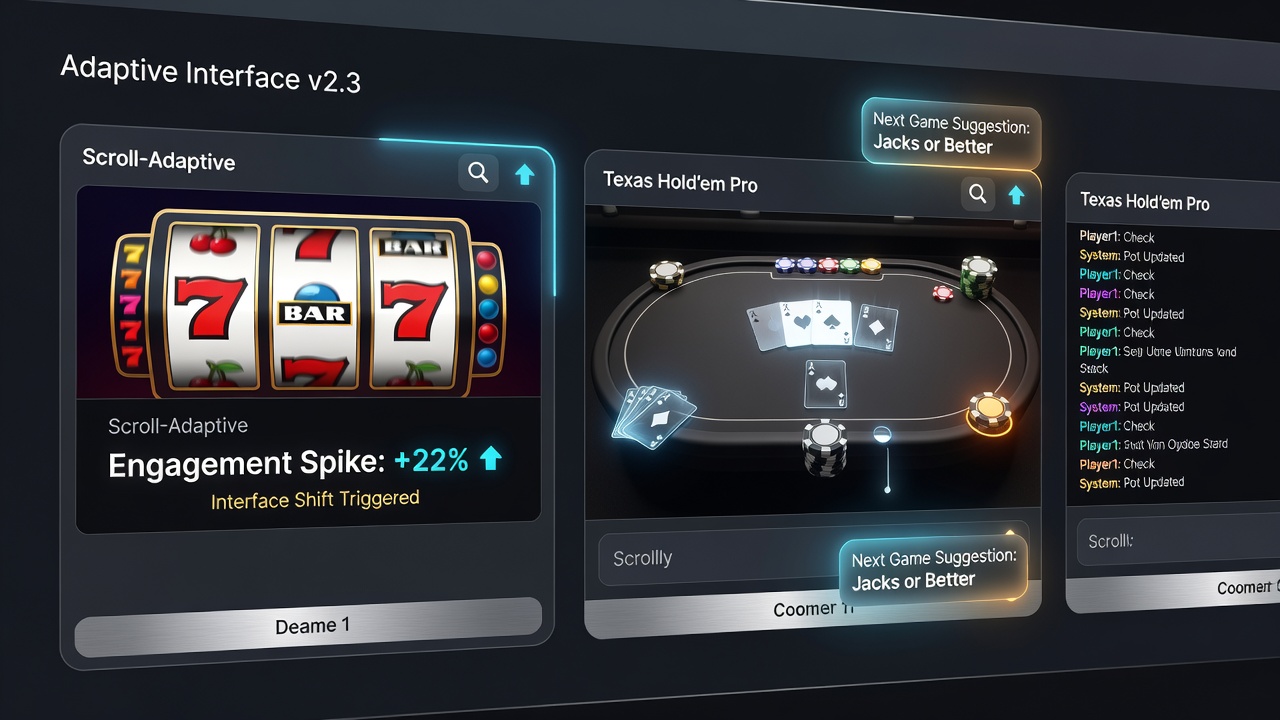
Platforms that host slots alongside poker variants collect scroll data during extended sessions, and this information guides real-time interface adjustments such as menu placement, game suggestion order, and transition prompts between titles. Scroll velocity, direction changes, and pause durations serve as inputs that trigger layout modifications without requiring explicit user commands. In July 2026 multiple operators reported expanded use of these systems across mobile applications that combine reel-based games with table variants.
Scroll Pattern Data Collection Methods
Developers log scroll events through device sensors and application frameworks, recording metrics that include swipe frequency, scroll depth relative to screen height, and hesitation intervals between movements. These measurements feed into models that categorize user navigation styles, distinguishing rapid vertical scrolling from deliberate horizontal shifts that often occur when players review pay tables or hand histories. Aggregated datasets from thousands of sessions show consistent correlations between certain scroll rhythms and subsequent game selections, particularly when users move from high-volatility slots into structured poker formats.
Research groups at institutions such as the University of Nevada, Las Vegas track these behaviors through anonymized platform logs, and findings indicate that scroll pauses longer than three seconds frequently precede switches to poker variants. The same studies document shorter, repetitive scrolls correlating with continued slots engagement. Operators apply these observations to reorder lobby elements so that relevant game thumbnails appear within the current viewport rather than requiring additional navigation.
Interface Adjustments During Mixed Sessions
When a player scrolls past multiple slots entries before pausing near poker options, the interface may expand poker variant previews while collapsing less relevant slots filters. This adjustment occurs through client-side scripts that respond to detected patterns within milliseconds. Additional changes include resizing action buttons to match observed thumb placement during scrolling and altering color contrast on transition banners that suggest moving between game types. Data from North American platforms shows these modifications reduce average time between game launches by measurable margins in sessions that exceed thirty minutes.
Integration Across Slots and Poker Variants
Slots interfaces typically present vertical reels and payline selectors that encourage downward scrolling, while poker variants display community cards and betting controls that prompt horizontal or diagonal movements. Adaptive systems reconcile these differences by monitoring cumulative scroll vectors across both environments. When patterns shift from vertical-dominant to mixed directions, the platform may introduce a compact side panel listing poker hand rankings without disrupting the active slots view. Observers note that such layered presentations maintain session continuity for users who alternate between chance-based and skill-influenced titles.
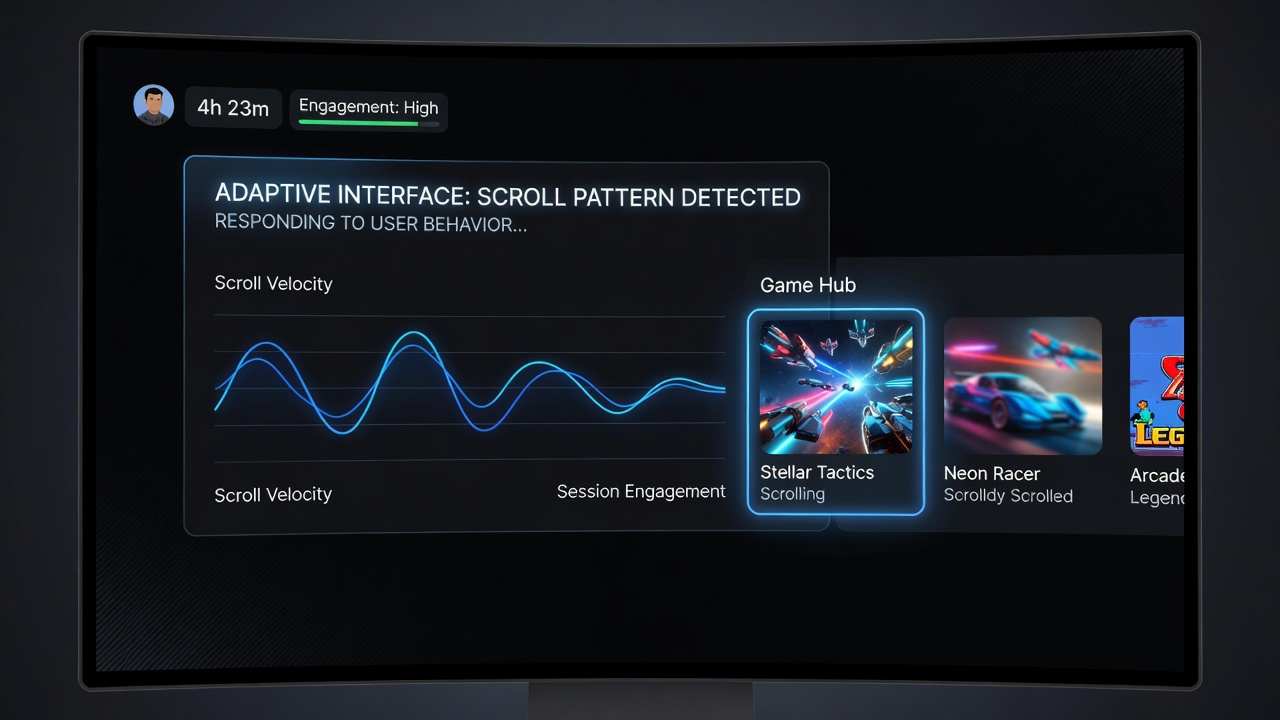
European regulatory bodies including those in Malta have examined these design choices in relation to responsible gaming standards, and compliance documentation from 2026 highlights requirements for clear session time indicators that remain visible regardless of scroll-triggered layout changes. Canadian provincial oversight similarly evaluates how adaptive elements influence player decision points during multi-table poker alongside slots sequences.
Technical Implementation and Model Training
Neural networks process scroll sequences alongside game outcome data to predict likely next actions, training on historical session records that span multiple jurisdictions. These models update periodically using new logs collected through July 2026 deployments, refining predictions for regional differences in device usage and game preferences. Edge computing handles immediate interface responses on user devices, while aggregated insights return to central servers for broader pattern analysis. Industry reports from the American Gaming Association detail how such architectures support consistent performance across varying network conditions without introducing latency that disrupts gameplay flow.
One documented implementation involves dynamic resizing of poker variant selectors based on scroll acceleration detected during slots rounds, ensuring that high-traffic poker tables remain accessible without forcing users to scroll back through extensive slots libraries. Similar mechanisms apply when users return to slots after extended poker sessions, restoring previously viewed reel configurations through stored scroll-position memory.
Conclusion
Adaptive interfaces that interpret scroll patterns continue to evolve within environments offering both slots and poker variants, driven by data collection practices and model refinements documented through mid-2026. Regulatory frameworks in multiple regions address these developments by focusing on transparency and session management features. Platform operators integrate the resulting adjustments to maintain navigation continuity across game categories while complying with jurisdiction-specific requirements.