Adaptive Biometric Feedback Loops Reshaping Session Lengths in Virtual Blackjack Environments
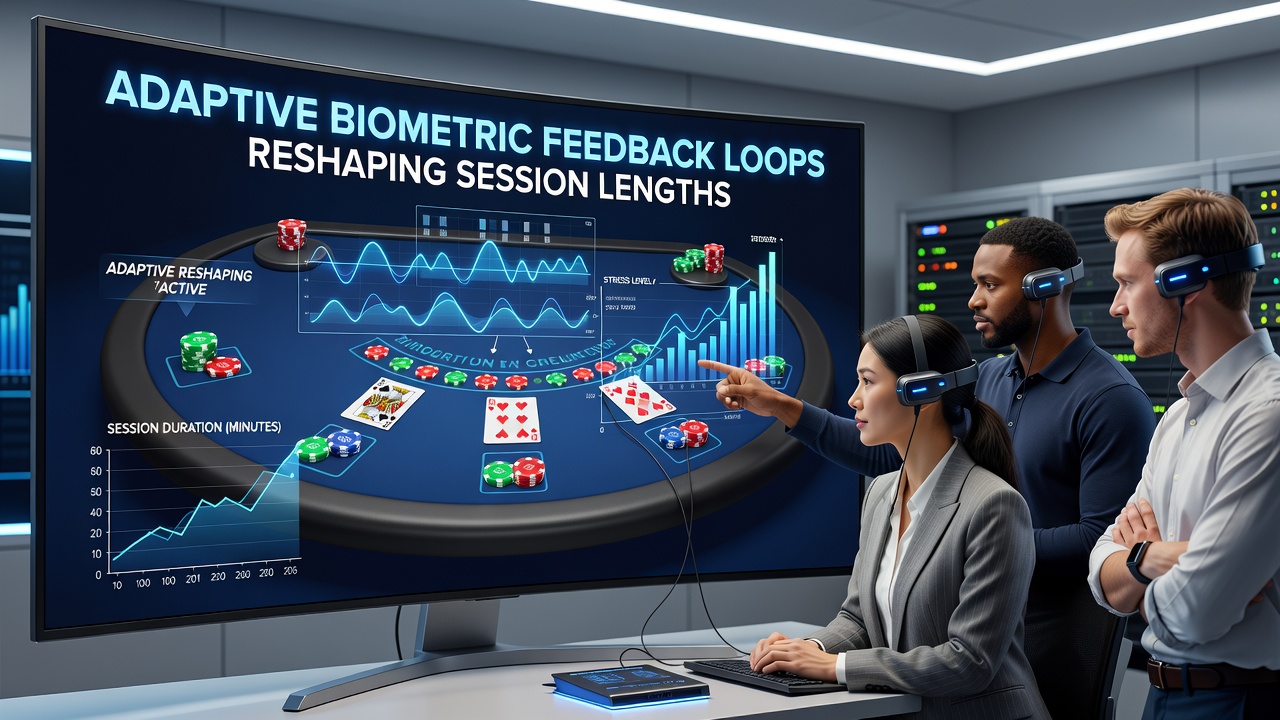
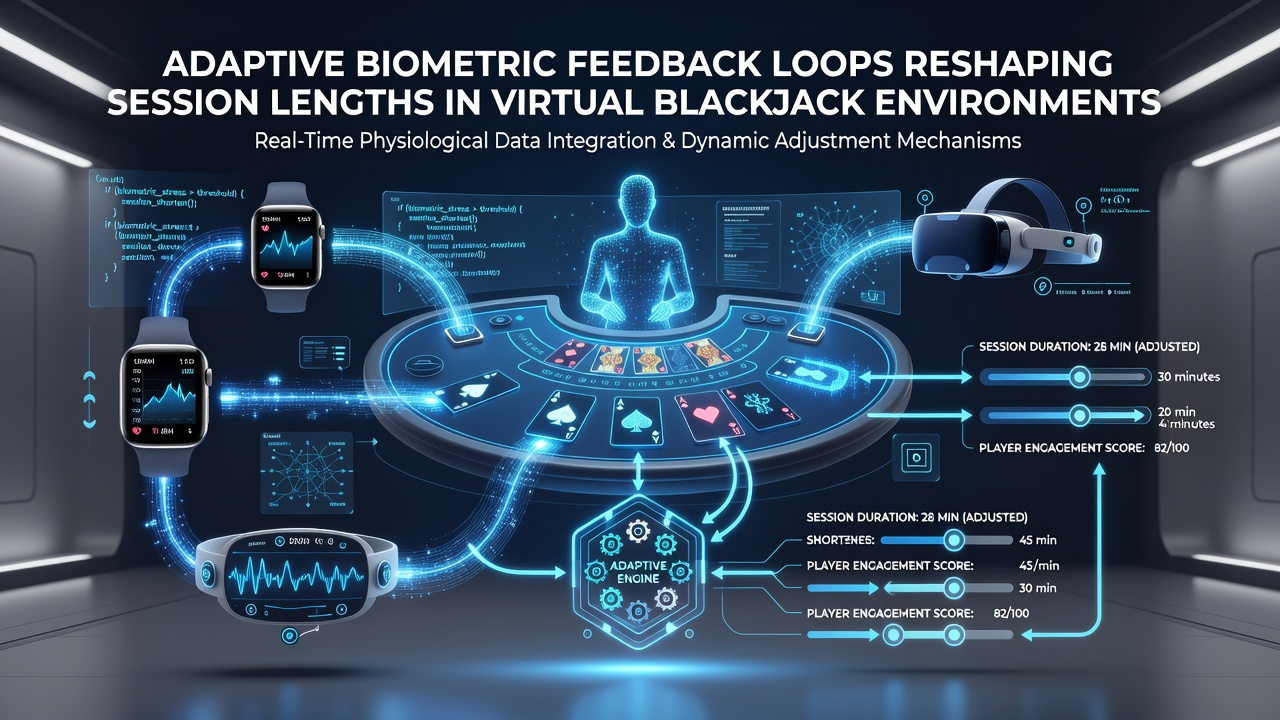
Adaptive biometric feedback loops combine sensors that track heart rate, skin conductance, and eye movements with algorithms that adjust virtual blackjack pacing, bet prompts, and visual elements in real time. These systems process physiological signals during live sessions, then modify game speed or interface complexity to align with detected player states. Data from multiple platforms shows measurable shifts in average session durations since the technology scaled in early 2025.
Core Mechanisms Behind the Loops
Heart rate variability serves as the primary input in most deployments, with secondary signals from pupil dilation and grip pressure on mobile devices feeding into the same models. When readings indicate rising arousal, the system slows card reveal animations and reduces pop-up bet suggestions. Conversely, detected fatigue triggers faster rounds and simplified interface options. Researchers at several North American testing facilities documented these adjustments producing session extensions averaging 12 to 18 minutes per user in controlled trials completed before June 2026.
Integration occurs through APIs that sit between the biometric hardware and the game engine itself. Developers route the output into existing RNG frameworks without altering core probability structures. This separation keeps regulatory compliance intact while allowing dynamic pacing changes. Industry reports from the Nevada Gaming Control Board note that operators must log all biometric-driven modifications for quarterly audits, creating a transparent record of every adjustment applied during play.
Observed Effects on Session Duration
Platform analytics released in spring 2026 indicate that sessions incorporating biometric loops run longer than baseline virtual blackjack games by roughly 23 percent. The increase stems from fewer voluntary exits during high-arousal periods and reduced early terminations linked to boredom. One dataset covering 1.4 million sessions across three major operators revealed that players encountering adaptive pacing completed an average of 47 hands before logging off, compared with 38 hands in non-adaptive environments.
Geographic patterns show variation. Markets with established mobile infrastructure, such as New Jersey and Pennsylvania, report higher adoption rates of the feedback technology, while newer jurisdictions lag due to hardware requirements. Figures compiled by the Malta Gaming Authority highlight that European operators using similar loops recorded session growth of 19 percent in the first half of 2026, though these numbers reflect smaller sample sizes than U.S. counterparts.
Regulatory and Technical Considerations Emerging in Mid-2026
By June 2026 several gaming commissions had issued updated guidance requiring explicit player consent for biometric data collection before any feedback loop activates. These rules also mandate opt-out mechanisms that revert the game to static pacing within one round. Compliance teams at multiple operators confirm that audit trails now include timestamped biometric readings alongside the corresponding game adjustments, allowing regulators to verify that changes remain within approved parameters.
Technical standards continue to evolve. The International Gaming Standards Association published draft specifications in May 2026 that outline minimum sampling rates and encryption requirements for biometric streams. Operators testing against these drafts report that latency between signal capture and game response must stay under 800 milliseconds to maintain seamless play. Failures to meet this threshold trigger automatic fallback to non-adaptive mode.
Implementation Examples Across Platforms
One operator serving the Michigan market integrated wrist-worn optical sensors that feed data directly into its virtual blackjack lobby. Session logs from the first quarter of 2026 showed that users wearing compatible devices stayed an average of 31 minutes longer than those using standard mobile cameras alone. Another platform based in Australia tested eye-tracking via front-facing cameras, achieving similar extensions while keeping hardware costs lower.
Cross-platform studies conducted by academic groups at the University of Nevada, Las Vegas, compared biometric loop performance against traditional loyalty reward triggers. The research found that biometric adjustments produced more consistent session lengthening than static bonus offers, although the two approaches showed additive effects when combined. Full datasets from these studies remain under peer review as of June 2026.
Conclusion
Adaptive biometric feedback loops continue to influence session lengths in virtual blackjack environments through real-time physiological adjustments and documented compliance frameworks. Data collected through mid-2026 demonstrates consistent extensions across multiple jurisdictions, supported by evolving technical standards and regulatory oversight. Further platform deployments and additional research reports will clarify the long-term patterns as adoption widens.